 admin
admin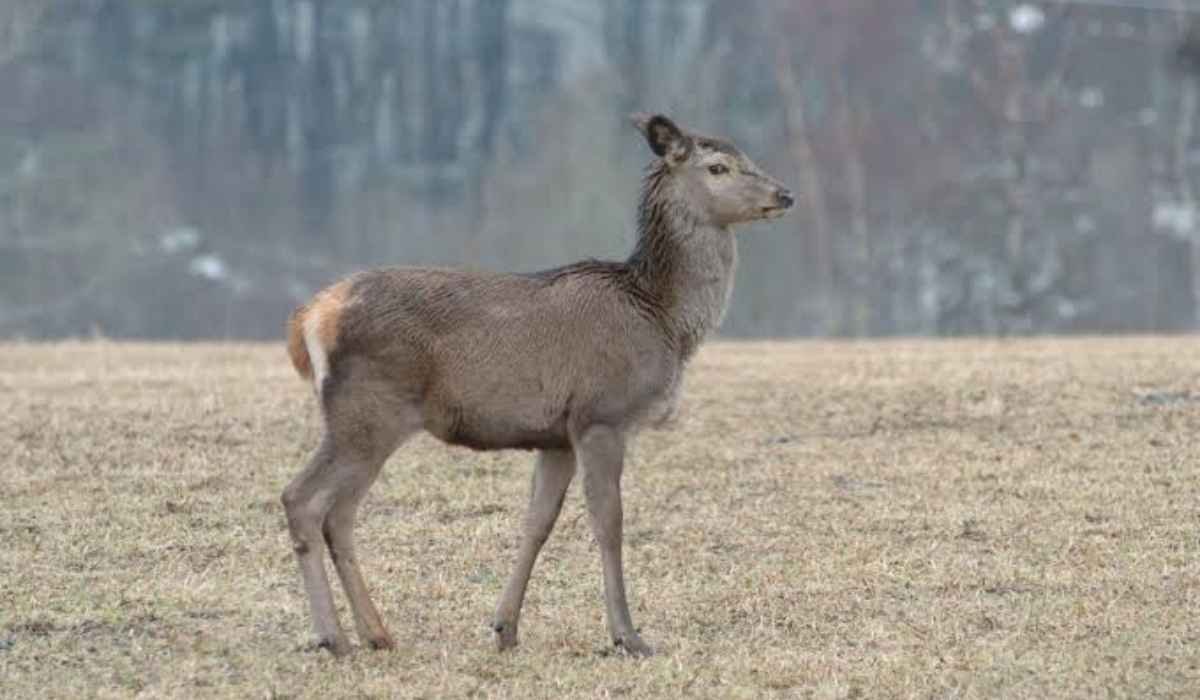
The Norwegian wildlife management system relies heavily on municipal administration to maintain biodiversity and public safety. A central element of this regional framework is the local board known as viltnemnda. This administrative body functions across municipalities to address human-wildlife interactions, monitor game populations, regulate hunting quotas, and manage emergency responses to injured wild animals. Across Norway, local communities interact with this organization whenever wildlife collisions occur on highways or when urban sprawl touches natural habitats. Understanding how this municipal system operates helps citizens, hunters, and visitors navigate environmental regulations while supporting sustainable conservation practices across Norwegian landscapes.
Quick Bio
| Feature / Detail | Information |
| Official Keyword / Name | Viltnemnda (Municipal Wildlife Board / Committee) |
| Country / Jurisdiction | Norway (Municipal / Local Level) |
| Primary Responsibility | Local wildlife management, fallvilt handling, and game population oversight |
| Key Operational Partners | Norwegian Police (Politiet), Miljødirektoratet, Statsforvalteren |
| Primary Species Managed | Moose (elg), red deer (hjort), roe deer (rådyr), wild reindeer |
| Emergency Response Role | Tracking and euthanizing wounded or vehicle-injured wild animals |
| Governing Legislation | Norwegian Wildlife Act (Viltloven) |
Definition and Core Purpose of Wildlife Boards
The primary legal responsibility of the municipal board known as viltnemnda centers around managing regional game species and protecting ecological balance. Local authorities delegate environmental tasks to ensure sustainable hunting numbers, reduce agricultural damage from oversized herds, and maintain detailed population records. Members evaluate regional habitat conditions, consult landowners, and coordinate directly with government environmental agencies to enforce wildlife legislation. By operating at the municipal level, these organizations tailor conservation efforts to the precise needs of local ecosystems, bridging the gap between national regulatory policies and ground-level environmental stewardship throughout countryside communities.
Historical Evolution of Municipal Wildlife Governance
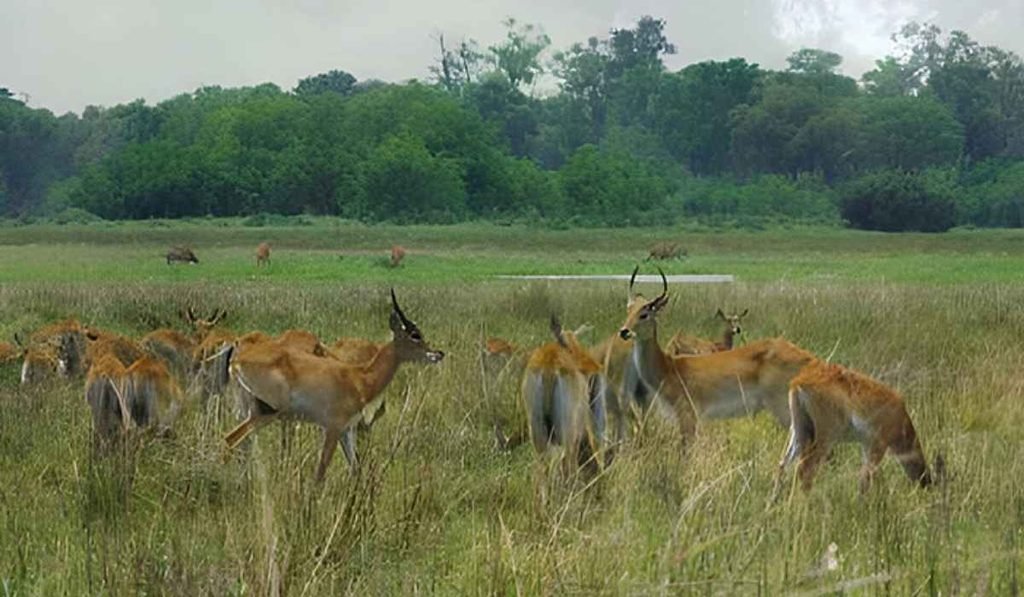
Historically, municipal wildlife committees operated under strict central state administration before decentralization policies reorganized regional authorities across Norway. Modern municipal governance grants local communities greater autonomy in structuring their environmental administration, allowing some regions to designate a traditional viltnemnda while others utilize designated wildlife officers or fallvilt response units. This structural shift transferred direct responsibility for game species, habitat preservation, and emergency tracking directly to municipal governments. Despite these structural changes, the fundamental mission of protecting animal welfare, ensuring sustainable harvest rates, and managing human-wildlife encounters remains consistent across every municipality today.
Legal Framework and the Norwegian Wildlife Act
The legal mandate defining the operational duties of viltnemnda originates from national environmental statutes, primarily the Norwegian Wildlife Act. This legislation establishes that municipal authorities hold primary responsibility for managing local game species within their territorial boundaries. Under these laws, the board possesses legal authority to issue harvesting permissions, evaluate agricultural damage claims, and dispatch trained tracking teams during emergencies. Adhering to strict legislative guidelines ensures that all municipal interventions balance property rights, farming viability, and ethical conservation practices while upholding national biodiversity targets established by higher environmental agencies.
Structure and Composition of Municipal Boards
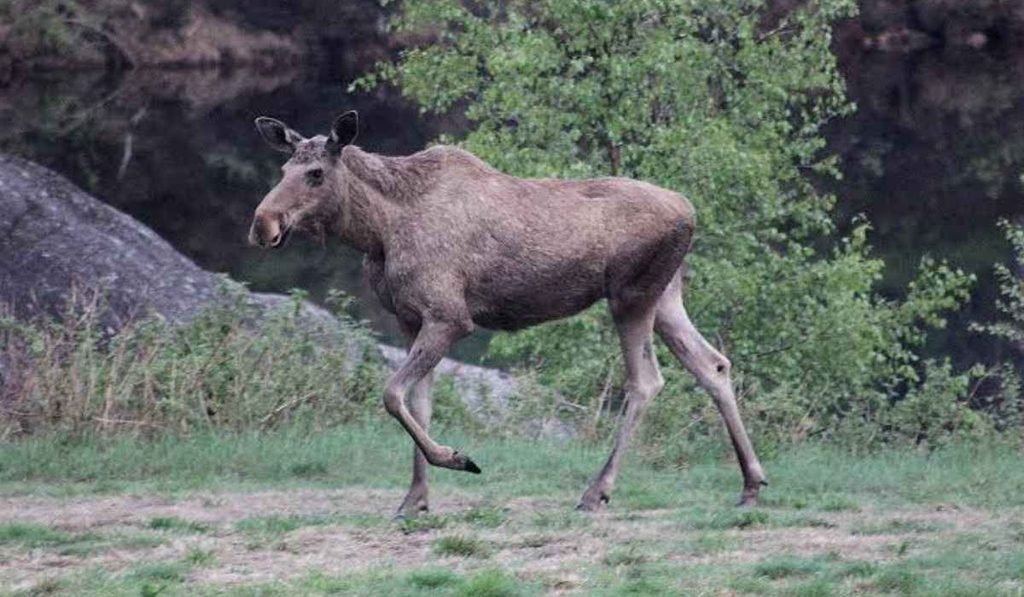
A standard municipal wildlife board brings together diverse individuals possessing practical expertise in forestry, agriculture, tracking, and game ecology. Appointed by municipal councils, members of viltnemnda often include local landowners, experienced hunters, and environmental advisors who understand regional terrain. This varied membership guarantees that management decisions incorporate both practical field knowledge and formal administrative guidelines. Collaborative decision-making allows the committee to resolve potential conflicts between agricultural interests and wildlife preservation smoothly, ensuring fair representation for landowners while safeguarding wild populations against over-harvesting or habitat destruction.
Handling Roadside Emergencies and Traffic Collisions
One of the most visible public duties executed through viltnemnda involves responding to vehicular accidents involving large mammals like moose or deer. When collisions occur on dark rural roads, drivers must notify police, who then dispatch the local wildlife emergency response unit. These specialized teams arrive at accident scenes equipped with approved tracking dogs to locate injured animals that fled into dense timber. Quick intervention prevents prolonged suffering for wounded wildlife and protects drivers from potential secondary road hazards caused by disoriented animals lingering near busy traffic corridors.
The Role of Fallvilt Teams and Search Dogs
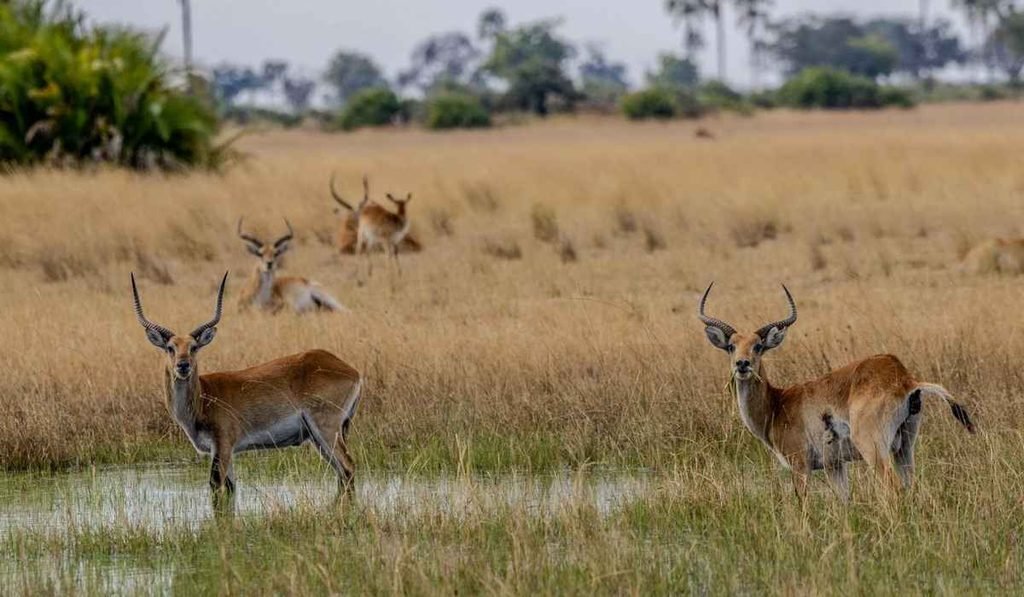
The operational arm working alongside viltnemnda frequently includes dedicated fallvilt search groups trained specifically for animal tracking tasks. These specialized teams maintain certified tracking dogs capable of following faint blood trails, scent tracks, and broken vegetation across rugged terrain. When an animal is struck by a vehicle or wounded during hunting, responders track the beast to assess its physical condition. If recovery is impossible, the team humanely euthanizes the animal and arranges for proper carcass removal according to municipal health and environmental regulations.
Managing Moose and Red Deer Populations
Large ungulates such as moose, red deer, and roe deer require continuous management overseen by viltnemnda to prevent severe overpopulation. Unchecked herd growth leads to forest degradation, overgrazing on young timber, high rates of farm crop destruction, and increased highway collisions. Municipal boards analyze harvest reports, timber damage surveys, and winter population counts to determine appropriate annual culling quotas. Establishing balanced harvest limits ensures healthy animal demographics while maintaining population levels that local forests and agricultural fields can sustainably support throughout winter months.
Issuing Hunting Permits and Annual Quotas
Every year, hunting associations and private landowners apply to viltnemnda to secure official harvesting permissions known as fellingstillatelse. The committee evaluates regional land size, historic yield data, and ecological capacity before granting specific harvest limits for designated hunting zones. This regulated permitting process prevents overhunting while providing landowners with fair access to game harvesting. By maintaining strict control over quotas and season lengths, the board ensures hunting remains a structured, sustainable tool for wildlife management rather than an uncontrolled commercial or recreational activity.
Addressing Agricultural Damage and Farmer Claims
Wild animals frequently cause significant financial damage to agricultural operations by eating crops, destroying silage bales, or damaging fences. Farmers can report severe property destruction directly to viltnemnda to request official assistance or protective harvesting permits. In circumstances where persistent problem animals disrupt local farming operations, the board may grant emergency damage-culling permissions known as skadefellingstillatelse. This proactive administrative support protects farmer livelihoods while preventing illegal, unregulated culling through transparent and legal conflict-resolution mechanisms.
Coordination with National Police and Authorities
Effective regional wildlife administration requires seamless coordination between viltnemnda and national agencies like the Norwegian Police service. When citizens report wildlife accidents via emergency dispatch numbers, police officers route critical location details directly to municipal tracking officers. This integrated communication channel ensures fast field deployment, complete legal compliance, and accurate official documentation. Furthermore, police agencies rely on the specialized field expertise of wildlife committees when investigating suspected illegal poaching, environmental policy violations, or dangerous animal encounters in populated areas.
Protecting Biodiversity and Endangered Species
Beyond managing harvestable game populations, the broader mission of viltnemnda aligns with international and national biodiversity preservation goals. While regional boards focus heavily on ungulate management, they also cooperate with state agencies regarding protected predators like lynx, wolves, bears, and wolverines. Monitoring species distribution and documenting predator activity provides valuable scientific data to national environmental databases. Balancing predator conservation with local farming needs remains a delicate administrative task, requiring transparent reporting and strict adherence to environmental protocols set by central authorities.
The Role of National Data Registries
Accurate data collection forms the backbone of modern wildlife management, with viltnemnda submitting detailed field records to central national registries. Information regarding traffic fatalities, hunting yields, physical animal conditions, and population estimates is entered into digital systems like Hjorteviltregisteret. Researchers, government biologists, and municipal officers analyze this data to identify high-risk traffic zones, track disease outbreaks, and monitor population trends over several years. Consistent digital reporting ensures that local wildlife policy rests on objective scientific evidence rather than anecdotal assumptions.
Winter Feeding Programs and Habitat Care
During severe winters with heavy snowfall, wild ungulates often struggle to find sufficient natural forage in deep mountain forests. Municipal wildlife bodies like viltnemnda evaluate whether temporary emergency feeding interventions or habitat protection measures are necessary to prevent mass starvation. The board advises landowners on responsible feeding practices to avoid spreading contagious wildlife diseases or drawing herds too close to busy roadways. Careful habitat management during harsh seasonal extremes preserves herd health while minimizing artificial disruptions to natural foraging instincts.
Disease Surveillance and Public Health
Monitoring wild animal populations for infectious diseases represents another crucial responsibility managed under the oversight of viltnemnda. Officials collect biological samples from harvested game and fallen animals to monitor for conditions such as Chronic Wasting Disease or rabies. Rapid identification of health threats allows municipal and national health authorities to implement immediate quarantine zones, adjust hunting quotas, or cull affected herds. Safeguarding wildlife health directly protects livestock industries, natural biodiversity, and public health from zoonotic disease transmission.
Urban Wildlife Management and Public Safety
As human residential areas expand into wild habitats, viltnemnda increasingly handles urban wildlife conflicts involving aggressive or disoriented animals. Large moose entering suburban neighborhoods can cause panic, disrupt school yards, create severe traffic hazards, or pose direct physical threats to residents. Trained wildlife responders evaluate urban situations quickly, using non-lethal displacement tactics whenever possible to guide animals back into surrounding woodlands. In severe cases where a dangerous animal poses immediate safety risks, officials execute rapid, humane removal actions to safeguard urban communities.
Cooperation with Local Landowners and Hunters
Constructive collaboration between private landowners, hunting organizations, and viltnemnda is essential for successful regional game management. Landowners provide access to private forests for tracking operations and population counts, while local hunters execute annual harvest quotas set by municipal authorities. The wildlife committee acts as a neutral administrative bridge, ensuring that all parties operate within legal frameworks and shared ecological goals. Regular consultation fosters community trust, encourages responsible hunting ethics, and maintains long-term support for municipal environmental policies.
Education and Public Awareness Initiatives
Raising public awareness about wildlife safety, seasonal animal movements, and accident prevention constitutes a key proactive function of viltnemnda. Committees distribute informational materials to drivers regarding high-risk animal crossing corridors during autumn migration periods. Educating citizens on how to react during wildlife collisions reduces unreported incidents and ensures prompt emergency calls to tracking teams. By promoting environmental literacy and responsible driving habits, municipal boards help minimize human-caused wildlife mortality while building community support for broader conservation initiatives.
Financial and Administrative Budgeting
Operating a municipal wildlife service requires efficient financial management overseen by municipal administration alongside viltnemnda. Budgets cover costs associated with certified search dogs, emergency responder call-out stipends, specialized tracking equipment, and administrative reporting tasks. Funding often derives from municipal game management funds, generated partly through hunting permit fees and municipal allocations. Proper financial oversight guarantees that tracking teams remain fully equipped, trained, and available around the clock to respond instantly to road accidents or wildlife emergencies.
Future Challenges in Norwegian Wildlife Management
Looking forward, viltnemnda faces evolving challenges driven by climate change, expanding transport infrastructure, shifting land-use patterns, and changing predator dynamics. Warmer winters alter migration schedules and habitat availability for moose and deer, requiring flexible quota management strategies. Increasing traffic volumes on rural highways necessitate stronger roadside mitigation measures, such as wildlife fences and acoustic deterrents. Adapting to these modern ecological and infrastructural shifts ensures that municipal wildlife authorities can continue protecting native biodiversity while maintaining public safety across dynamic rural and suburban landscapes.
Summary of Municipal Environmental Stewardship
In conclusion, the municipal structure surrounding viltnemnda serves as an indispensable pillar of environmental stewardship, sustainable hunting administration, and public safety in Norway. By combining local field expertise with strict legal mandates, these boards resolve human-wildlife conflicts, manage game species responsibly, and respond effectively to roadside emergencies. Their ongoing collaboration with police, landowners, researchers, and drivers ensures that Norway’s magnificent wildlife heritage is preserved for future generations. For detailed administrative guidelines on environmental conservation frameworks, visit the Norwegian entry on SEO FRIENDLY.
Frequently Asked Questions
- What primary role does viltnemnda perform in Norwegian municipalities?
- The board manages local game populations, issues hunting quotas, and coordinates emergency responses for injured wildlife.
- What should drivers do immediately after striking a wild animal on a Norwegian road?
- Drivers must secure the scene, ensure human safety, mark the crash spot, and call the police on 02800 to notify tracking teams.
- How does viltnemnda determine annual hunting quotas for moose and deer?
- Quotas are calculated using population counts, forest damage reports, historical yield data, and agricultural impact assessments.
- Is viltnemnda a single national government agency or a local municipal board?
- It is a local municipal body or service operating under municipal authority rather than a single centralized national agency.
- Do municipal wildlife teams respond to agricultural damage caused by wild animals?
- Yes, the board assesses farm crop damage and can issue special culling permits to protect agricultural livelihoods.