
 admin
admin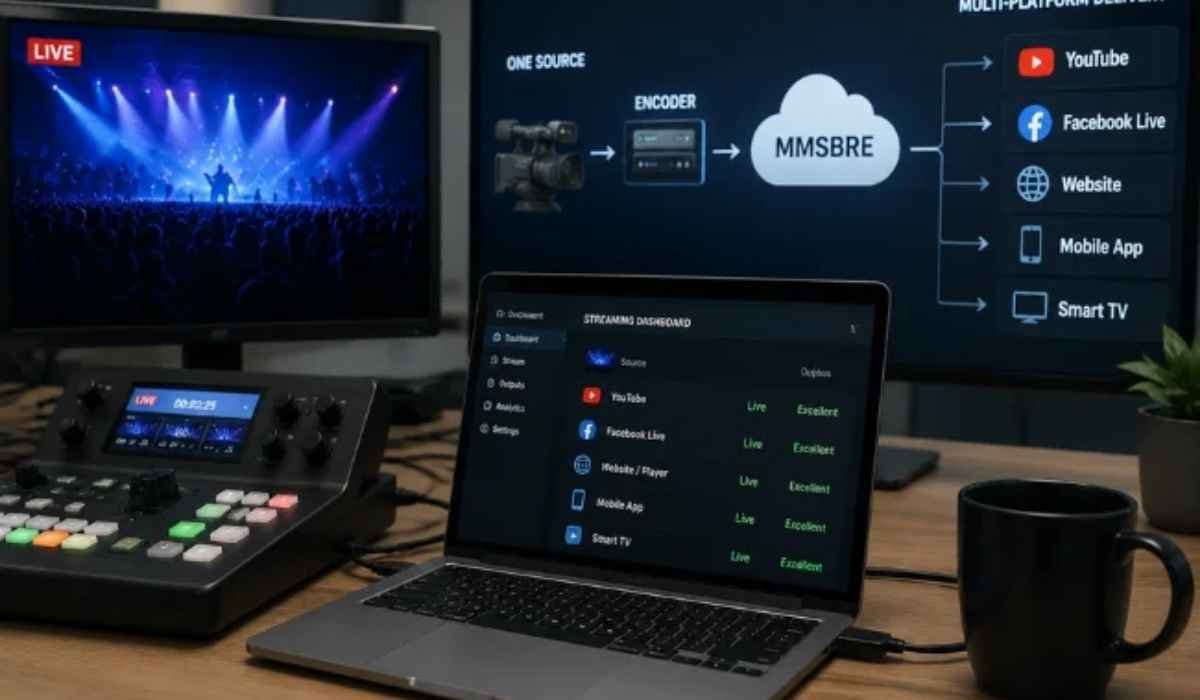
The term mmsbre represents an emerging digital concept widely associated with multi-media streaming, broadcast relay architectures, and modern workflow integration. Organizations exploring new avenues for online content distribution frequently evaluate this framework to optimize their media delivery pipelines. By coordinating data processing with high-speed broadcasting setups, businesses can maintain smooth playback experiences across diverse web platforms. Understanding how these interconnected components operate enables developers and managers to streamline complex digital operations. As digital environments continue to evolve rapidly, adopting scalable operational models becomes essential for long-term growth and technical efficiency across competitive industries.
Quick Bio
| Feature / Property | Details |
| Concept Name | MMSBRE (Multi-Media Streaming and Broadcast Relay Environment) |
| Primary Domain | Digital Media Streaming & Enterprise Workflow Management |
| Core Function | Streamlining media ingest, encoding, distribution, and operational efficiency |
| Key Technologies | HLS, MPEG-DASH, Content Delivery Networks (CDNs), Cloud Servers |
| Target Audience | Media Broadcasters, Content Creators, Digital Marketers, Enterprises |
| Main Advantage | Multi-platform content delivery and simplified operational monitoring |
Fundamentals of Multi Media Delivery Architecture
Implementing mmsbre requires a solid grasp of how media components communicate across distributed networks. Modern streaming environments rely heavily on robust data ingest methods that capture live audio and video signals efficiently. Once raw media enters the pipeline, it undergoes rapid processing to prepare for multi-device broadcasting. Software systems must handle varying internet speeds seamlessly to prevent unwanted buffering for end users. High-performance configurations focus on minimizing technical latency while upholding top-tier video clarity. Mastering these structural basics establishes a resilient foundation for any expanding enterprise media deployment.
Core Technical Concepts Behind Digital Relay Systems

The system architecture behind mmsbre focuses on relaying data packets without loss or interruption. Relay servers act as intermediate checkpoints, receiving encrypted stream chunks and forwarding them to localized content delivery networks. This decentralized routing strategy protects central origin servers from experiencing server overload during peak viewing hours. Advanced network protocols work continuously to select optimal paths for data transmission. Engineers rely on automated traffic managers to monitor server health and instantly re-route active user connections. These technical mechanisms ensure uninterrupted media playback even under heavy network congestion.
Enhancing Enterprise Workflow Efficiency
Beyond streaming video, mmsbre provides strategies for improving overall enterprise digital workflow management. By integrating isolated operational databases into a unified network ecosystem, organizations eliminate frustrating data silos. Employees gain instant access to critical assets, significantly reducing manual coordination efforts across separate departments. Automated task tracking guarantees that projects move smoothly from initial planning to final delivery. Eliminating repetitive daily procedures allows internal teams to devote more time to strategic creative goals. Streamlined operational frameworks directly enhance overall workplace output and drive sustainable corporate productivity.
Key Applications in Modern Streaming Technology

In video delivery platforms, mmsbre helps broadcasters manage live streams alongside rich interactive features. Commercial platforms often combine live video feeds with dynamic chat boxes, product overlays, and real-time user polls. Orchestrating these distinct interactive elements demands an agile processing setup capable of synchronizing heavy data inputs. System administrators rely on unified media environments to coordinate synchronized streams across websites, mobile apps, and smart television software. Providing consistent content across multiple screen types strengthens brand presence and retains active audience engagement effectively.
Optimizing Media Encoding and Processing
Efficient media processing relies on mmsbre concepts to execute video encoding and adaptive bit-rate transcoding. Incoming live streams are rapidly transformed into various resolution levels, catering to diverse network connections. Modern codecs compress large video files without sacrificing noticeable visual detail, protecting network bandwidth. Transcoding clusters process multiple data streams simultaneously, ensuring uninterrupted transmission during live broadcasts. Automated cloud encoding modules adapt dynamically to fluctuations in incoming traffic volume. Proper encoding setups remain vital for delivering smooth high-definition video feeds directly to consumers worldwide.
Content Delivery Network Integration Strategies

A successful deployment of mmsbre requires seamless integration with globally distributed content delivery networks. Edges servers positioned around the globe temporarily cache media segments close to local viewing audiences. This geographic proximity dramatically reduces geographical latency and minimizes stream startup delays for viewers. Strategic CDN routing prevents single point failures by distributing incoming viewer requests across thousands of edge nodes. Network administrators continuously monitor cache hit ratios to fine-tune regional content availability. Combining relay environments with solid delivery networks ensures exceptional global video performance.
Data Analytics and Stream Performance Monitoring
Monitoring live video metrics using mmsbre techniques enables engineering teams to identify transmission glitches instantly. Performance dashboards track critical metrics including frame drops, buffering rates, bit-rate switching, and connection failures. Automated alerts inform technicians the moment regional network performance dips below established quality thresholds. Deep data analysis highlights geographical playback patterns, assisting management in allocating server resources efficiently. Detailed diagnostic logs simplify troubleshooting across complex hardware setups. Maintaining continuous visibility into streaming metrics guarantees consistent media delivery quality across all active user regions.
Security Standards in Digital Media Ecosystems
Protecting valuable digital content within mmsbre architecture demands robust security protocols across every transmission layer. End-to-end encryption guards video signals against unauthorized intercept attempts during public network transit. Digital rights management solutions prevent illegal recording and unauthorized redistribution of proprietary digital media assets. Token-based authentication mechanisms ensure that only authorized users access premium video streams. Security audits regularly test server endpoints to identify and patch potential system vulnerabilities. Implementing layered defensive controls keeps digital media environments fully compliant with modern cybersecurity standards.
Adaptive Bitrate Streaming Mechanisms
Implementing adaptive bit-rate algorithms inside mmsbre setups optimizes video playback on unpredictable wireless networks. The media player evaluates available network bandwidth continuously and switches video quality levels on the fly. Viewers enjoy unbroken video playback even when transitioning between cellular coverage and Wi-Fi networks. Advanced player software balances buffer health with visual clarity to prevent annoying screen freezes. Modern streaming standards like HLS and MPEG-DASH form the backbone of these dynamic playback adjustments. Adaptive delivery techniques remain essential for providing high-quality experiences on modern mobile devices.
Cloud Infrastructure and Resource Scaling
Leveraging flexible cloud hosting for mmsbre allows media companies to adjust computing power according to live audience demands. Virtual server instances launch automatically during high-traffic events to handle unexpected viewer spikes. Once audience traffic normalizes, excess cloud resources automatically scale down to prevent unnecessary infrastructure expenses. Distributed cloud storage solutions hold vast libraries of video-on-demand files securely. Cloud orchestration tools simplify soft updates without disrupting active broadcast services. Utilizing resilient cloud infrastructure provides scalable stability needed for modern large-scale digital broadcasting operations.
Multi Platform Broadcast Management
Managing content distribution using mmsbre simplifies broadcasting across social platforms, mobile apps, and desktop portals simultaneously. Universal publishing tools allow operators to push a single live video feed to multiple external endpoints with ease. Automated re-formatting tools adjust video aspect ratios dynamically for portrait mobile viewing or landscape web screens. Centralized administration consoles enable real-time chat moderation across diverse social media channels from one unified screen. Consolidating multi-platform distribution reduces operational complexity and expands total viewer reach. Broadcasters gain complete control over their brand messaging while managing extensive content operations efficiently.
Simplifying Customer Engagement Workflows
Integrating communication systems with mmsbre guidelines allows businesses to improve overall customer service responsiveness. Centralized customer dashboards track user interactions across email, live chat, and social channels seamlessly. Automated ticket routing assigns customer inquiries instantly to available support specialists based on query complexity. Support representatives access complete customer activity logs to resolve issues promptly without repetitive questions. Streamlining engagement workflows enhances client satisfaction scores and fosters strong customer brand loyalty. Responsive communication practices remain vital for long-term business retention in modern digital marketplaces.
Cost Optimization Strategies for Media Delivery
Adopting strategic planning around mmsbre helps digital media companies reduce bandwidth costs and operational overhead. Intelligent caching mechanisms minimize unnecessary data traffic from primary origin servers to lower hosting fees. Efficient video compression formats reduce total storage footprints without compromising visual presentation standards. Automated workload scheduling routes resource-intensive batch encoding jobs during off-peak cloud billing hours. Regular system audits help managers identify underutilized server assets and eliminate wasteful expenditures. Strategic cost management ensures sustainable profit margins while expanding enterprise media operations over time.
Business Intelligence and Data Management
Managing enterprise data with mmsbre frameworks gives leadership clear operational insights to guide strategic investments. Integrated analytics systems compile performance metrics from internal teams, marketing campaigns, and video distribution systems. Executive dashboards transform raw operational data into visual charts highlighting major business growth trends. Predictive data analytics assist managers in forecasting server capacity requirements well before major media broadcasts. Data-driven decision processes minimize operational risks and accelerate new digital revenue opportunities. Combining reliable business intelligence with efficient systems ensures continuous corporate market competitiveness.
Future Trends in Media Broadcast Engineering
The continuous evolution of mmsbre mirrors rapid advancements across artificial intelligence, edge computing, and cloud engineering. Smart machine learning models now optimize live video encoding parameters automatically based on content complexity. Edge computing nodes execute real-time video processing closer to viewers, pushing broadcast latency down to absolute minimums. Automated closed caption generation improves accessibility for global audiences viewing streams in multiple languages. Next-generation networking protocols promise even faster stream startup times and improved connection reliability. Staying ahead of emerging technological trends ensures digital organizations remain competitive in fast-moving industries.
Troubleshooting Common Streaming Failures
Resolving technical glitches within mmsbre systems requires a methodical diagnostic approach across all network layers. When buffering occurs, engineers evaluate CDN edge server health before examining central origin server status. Video player log files highlight specific decoding errors, helping technicians identify corrupted stream segments quickly. Automated failover systems switch viewers to backup live feeds whenever primary video streams experience drops. Regular load testing simulates heavy audience spikes to expose potential network bottlenecks safely. Proactive system maintenance and quick troubleshooting routines protect user viewing experiences during live events.
Integrating AI in Automated Media Workflows
Applying artificial intelligence within mmsbre models automates labor-intensive media management tasks. Automated content recognition systems tag incoming video archives with relevant metadata for fast search retrieval. AI moderation tools analyze live chat channels to filter out inappropriate user messages instantly. Computer vision algorithms generate automatic thumbnail images highlighting key moments from long video broadcasts. Intelligent traffic routing models predict bandwidth spikes and adjust cloud capacity proactively. Implementing smart automated workflows boosts operational efficiency and reduces overall manual labor costs.
Building Scalable Architecture for Digital Growth
Designing scalable framework environments with mmsbre ensures digital platforms expand smoothly without requiring total system redesigns. Microservice architectures break complex media operations down into independent, easily manageable software modules. Developers update or replace individual system components without bringing down the entire live streaming infrastructure. Standardized API integrations facilitate smooth connectivity between third-party marketing, analytics, and billing tools. Continuous integration pipelines test new code releases automatically to ensure complete system stability. Modular architectural designs empower growing enterprises to innovate rapidly while preserving reliable user services.
Best Practices for System Maintenance and Updates
Maintaining reliable operations in mmsbre setups demands scheduled system health checks and structured software update schedules. System updates are deployed during low-traffic maintenance windows to prevent service disruptions for active users. Staging environments mirror live streaming systems, allowing developers to test security patches thoroughly before deployment. Automated database backups safeguard vital customer information and operational records against unexpected hardware failures. System administrators document configuration changes meticulously to simplify future auditing processes. Consistent operational maintenance guarantees uninterrupted performance, strong security, and long-term platform reliability.
FAQs
- What is the full form and primary purpose of MMSBRE?
- The most reported expansion is Multi-Media Streaming and Broadcast Relay Environment, used for managing media delivery and business workflows.
- Is MMSBRE a single software application or platform?
- No, it is an emerging concept or framework label rather than a single commercial software product.
- How does MMSBRE improve live video streaming quality?
- It coordinates encoding, relay servers, CDNs, and adaptive bit-rate playback to minimize buffering and latency.
- Can small businesses benefit from MMSBRE concepts?
- Yes, small businesses can adopt its underlying workflow and automation principles to organize data and improve efficiency.
- What technologies are associated with MMSBRE environments?
- Common supporting technologies include HLS, MPEG-DASH, content delivery networks, cloud servers, and media encoders.