
 admin
admin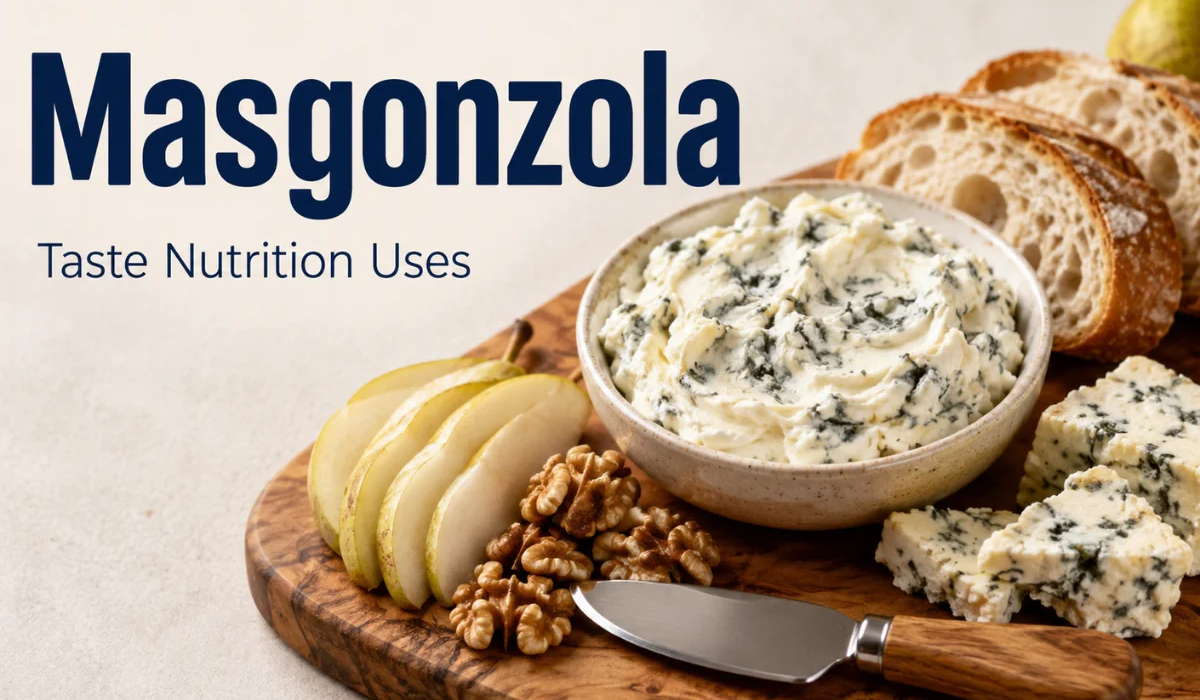
1. Introduction to Masgonzola
Masgonzola is an intriguing food-related term that attracts attention because it sounds like the name of a traditional Italian cheese. Online descriptions commonly associate it with a combination of mascarpone and Gorgonzola, two Italian dairy products with contrasting characteristics. Mascarpone contributes a rich, smooth texture, while Gorgonzola provides a distinctive blue-cheese flavor. However, the name does not have the same established status as traditional protected cheese names. Understanding its likely meaning, ingredients, culinary applications, and online background helps readers separate reliable food information from speculation.
2. Quick Bio Table
| Feature | Information |
|---|---|
| Name | Masgonzola |
| Category | Informal cheese-related term |
| Common interpretation | Mascarpone and Gorgonzola combination |
| Main ingredients | Mascarpone and blue cheese |
| Texture | Creamy and spreadable |
| Flavor | Rich, tangy, and savory |
| Culinary connection | Italian-inspired cuisine |
| Typical uses | Pasta, sauces, bread, and risotto |
| Official status | No separate protected designation verified |
| Main allergen | Milk |
| Availability | Search for products combining mascarpone and Gorgonzola |
| Best description | A creamy blue-cheese preparation |
3. What Does Masgonzola Mean?
The term is commonly explained as a blend of the words mascarpone and Gorgonzola. This interpretation makes culinary sense because the two cheeses can be combined to produce a creamy preparation with a balanced, savory taste. Nevertheless, the name is not universally standardized, and different websites may use it differently. It is therefore more accurate to describe the term as an informal culinary name than to claim that it represents a separate, officially recognized Italian cheese variety.
4. The Possible Origin of the Name
The likely explanation for the name comes from combining parts of two familiar Italian cheese names. Mascarpone supplies the first part, while Gorgonzola contributes the ending. Such combinations are common in food descriptions because they quickly communicate the ingredients or inspiration behind a dish. Although this explanation is plausible, a definitive inventor, date of creation, or original producer has not been reliably established. Readers should distinguish the likely linguistic explanation from a documented historical account.
5. Understanding Mascarpone Cheese
Mascarpone is a soft Italian dairy product known for its smooth consistency, mild flavor, and rich mouthfeel. It is widely used in desserts, including tiramisu, but it also works in savory recipes. Its gentle taste makes it useful when a dish needs creaminess without the intensity of a strongly flavored cheese. When combined with blue cheese, mascarpone can soften sharp flavors and create a more spreadable mixture suitable for pasta, bread, and other everyday meals.
6. Understanding Gorgonzola Cheese to Masgonzola
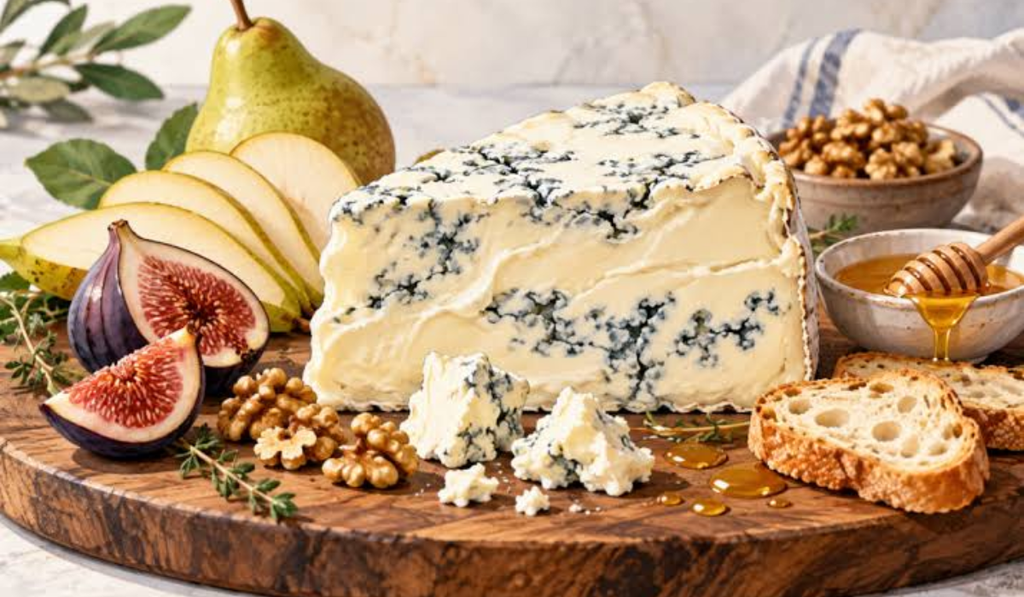
Gorgonzola is a traditional Italian blue-veined cheese associated with northern Italy. It is known for its distinctive aroma, creamy texture, and savory flavor, which can range from relatively mild to pronounced depending on the variety and maturation. Authentic Gorgonzola has a protected designation of origin, distinguishing it from generic blue cheeses. Its bold character makes it popular in sauces, risotto, salads, and cheese boards. When paired with a milder dairy ingredient, it can become more approachable for people who prefer less intense blue-cheese flavors.
7. How the Two Cheeses Work Together
Combining mascarpone with Gorgonzola creates a contrast between mild creaminess and tangy intensity. Mascarpone contributes richness and softness, while Gorgonzola gives the mixture its characteristic blue-cheese notes. The final flavor depends on the proportions, the particular cheeses used, and whether they are blended completely or arranged in layers. This flexibility makes the combination useful in both simple snacks and more elaborate meals. There is no single universal recipe that must be followed when preparing this cheese mixture at home.
8. What Does It Taste Like?
The flavor of this cheese combination is generally expected to be creamy, savory, slightly tangy, and rich. The blue-cheese component supplies the most distinctive taste, while mascarpone can reduce its sharpness and make the result feel smoother. A preparation containing more Gorgonzola will usually taste stronger, whereas a larger amount of mascarpone produces a milder profile. The exact taste is not standardized under the informal name, so the ingredients and their proportions matter more than the label alone.
9. Texture and Appearance
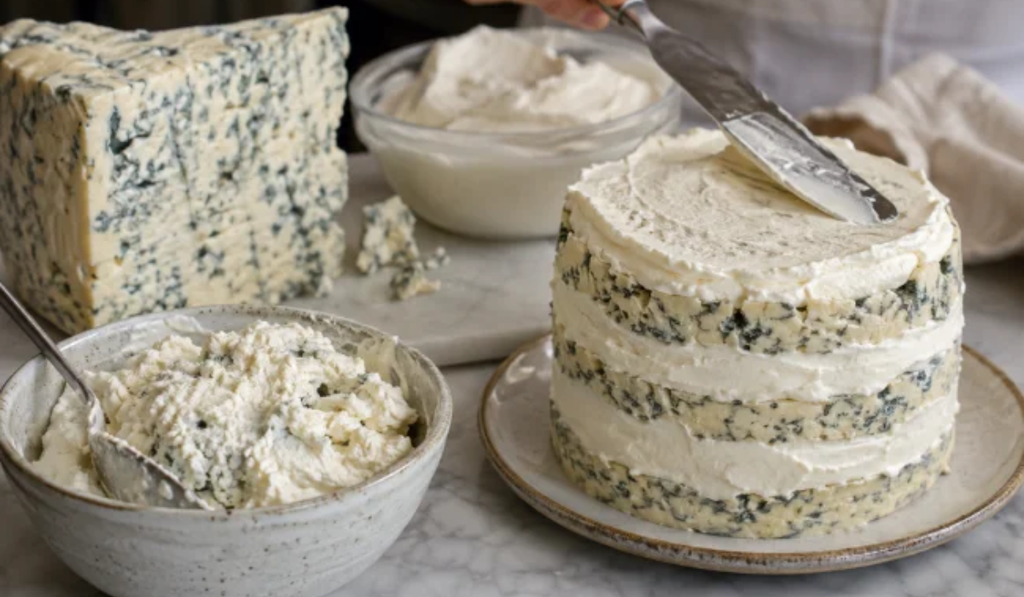
Texture is one of the main attractions of a mascarpone and Gorgonzola mixture. Mascarpone is smooth and thick, while Gorgonzola can contain soft areas and visible blue-green veining. When mixed, the ingredients can create a creamy spread with occasional colored streaks or a more uniform appearance. Layered preparations may preserve the visual contrast between the cheeses. The final consistency depends on temperature, mixing technique, and ingredient ratios, making the combination suitable for spreads, fillings, and sauces.
10. Is Masgonzola an Official Italian Cheese?
There is no reliable evidence establishing Masgonzola as a separate protected cheese designation comparable to Gorgonzola. The name is better treated cautiously as an informal label or a description of a cheese combination. This does not mean that the underlying preparation is imaginary: mascarpone and Gorgonzola are real products that can be combined in cooking and sold together in certain markets. When researching a packaged product, check its ingredient list, manufacturer, and official product name instead of relying exclusively on an unfamiliar label.
11. Nutritional Characteristics to Masgonzola
A preparation made from mascarpone and Gorgonzola is likely to provide fat, protein, calcium, and energy because both ingredients are dairy products. Its exact nutritional composition depends on the quantities used, the brands selected, and the serving size. Creamy cheese mixtures can be energy-dense, so portion size matters for anyone monitoring overall calorie intake. For accurate information, consult the nutrition label on the specific product. No universal nutritional profile can be assigned to an informal term without a standardized recipe or product formulation.
12. Potential Dietary Considerations
Dairy-based cheese preparations may suit people who consume milk products, but they are unsuitable for people with a milk allergy unless a specifically appropriate alternative is available. Individuals who are lactose intolerant may also need to consider their personal tolerance and the composition of the particular cheeses. Anyone managing sodium intake should check the product’s nutrition information because cheese can contain substantial salt. Dietary needs vary, so ingredient labels and guidance from a qualified healthcare professional are more useful than broad assumptions about a food’s health benefits.
13. How to Make a Simple Cheese Mixture
A simple version can be prepared by placing mascarpone in a clean bowl and gradually folding in softened Gorgonzola. Start with a small amount of blue cheese, taste the mixture, and add more until the flavor is balanced to your preference. Use a fork for a slightly textured spread or mix more thoroughly for a smoother consistency. Keep the ingredients refrigerated before preparation and return the finished mixture to the refrigerator promptly. Since no universal formula exists, the best ratio depends on personal taste and the intended recipe.
14. Choosing the Right Ingredient Ratio
The proportion of each cheese determines the final flavor and texture. A larger amount of mascarpone generally creates a milder, creamier preparation, while increasing the Gorgonzola makes the blue-cheese flavor more prominent. For a delicate sandwich spread, a gentle balance may work best. For a pasta sauce or a strongly flavored appetizer, a more noticeable blue-cheese character may be desirable. Experimenting with small batches helps cooks discover a suitable balance without wasting ingredients or overwhelming the dish.
15. Using the Cheese Combination in Pasta to Masgonzola
Creamy cheese mixtures can make a convenient base for pasta sauces. Add a small amount to warm pasta with a splash of pasta water, stirring gently until the sauce coats the noodles. Black pepper, sautéed mushrooms, spinach, or toasted walnuts can complement the rich flavor. Avoid overheating the mixture because excessive heat may affect its texture. Adjust seasoning carefully, especially if the blue cheese is already salty. The result can be a satisfying meal without requiring a long list of ingredients or complicated preparation techniques.
16. Adding It to Risotto
Risotto is another dish that can benefit from the combination of creamy and tangy cheeses. Stir a modest amount into the rice near the end of cooking, after the grains have become tender and the liquid has developed a creamy consistency. The cheese adds richness and a savory finish. Mushrooms, fresh herbs, or roasted vegetables can provide additional flavor and texture. Because both ingredients are rich, a small amount may be sufficient. Taste the risotto before adding extra salt or other strongly flavored seasonings.
17. Spreading It on Bread and Crackers
A cheese spread made with mascarpone and Gorgonzola can turn simple bread, toast, or crackers into an appealing snack. Spread a thin layer over toasted sourdough, then add sliced pears, walnuts, or a little honey if a sweet-and-savory contrast is desired. Fresh herbs can provide a more savory finish. For gatherings, the spread can be served with vegetable sticks and assorted crackers. Keep it chilled until serving and avoid leaving dairy-based food at room temperature for extended periods.
18. Pairing It With Vegetables to Masgonzola
Vegetables can balance the richness of a creamy blue-cheese preparation. Roasted potatoes, broccoli, cauliflower, mushrooms, and asparagus are possible partners because their flavors work well with savory dairy sauces. A small spoonful can be stirred into warm vegetables or used as a topping. For a lighter meal, serve the cheese with a larger portion of vegetables rather than making it the main component. Cooking vegetables until tender but not mushy helps preserve their texture and creates a pleasing contrast with the smooth cheese.
19. Using It on a Cheese Board
A cheese board can include a mascarpone and Gorgonzola combination alongside crackers, fruit, nuts, and other cheeses. Grapes, pears, apples, and walnuts offer contrasting sweetness and crunch. Serving the mixture in a small bowl makes it easier to spread and prevents softer ingredients from blending into firmer cheeses. Label the dairy ingredients clearly so guests can make informed choices. If the product is homemade, prepare it shortly before serving and follow appropriate refrigeration practices to preserve quality and food safety.
20. Cooking Tips for Better Results
Masgonzola Successful cooking with this cheese mixture begins with moderate heat and careful seasoning. Allowing the ingredients to soften slightly in the refrigerator-safe preparation stage can make blending easier, but they should not be left out for long periods. Add the mixture gradually to hot dishes rather than exposing it to prolonged high heat. Use small quantities at first because the flavor can become intense quickly. Fresh herbs, vegetables, and a little acidity from suitable ingredients can help balance the richness of the finished dish.
21. Storage and Food Safety to Masgonzola
Store homemade cheese mixtures in a clean, covered container in the refrigerator. Follow the storage instructions and use-by date supplied with the original dairy products, and prepare only the quantity likely to be consumed promptly. Do not rely on smell alone to determine whether a dairy product is safe. Discard food that has been stored improperly or shows signs of spoilage. People at increased risk from foodborne illness should be especially careful with dairy products and follow recognized food-safety guidance when choosing ingredients and handling prepared foods.
22. Where Can You Find It?
Masgonzola Consumers searching for a product under this name may have better results by looking for mascarpone and Gorgonzola combinations or products described as Gorgonzola with mascarpone. Specialty cheese shops, Italian food retailers, and some grocery stores may carry relevant products, although availability varies by location. Read the packaging to confirm the actual ingredients and product identity. Do not assume that every item using a similar name contains the same proportions or follows the same preparation method.
23. How to Recognize Reliable Information
When researching an unfamiliar food name, look for concrete details such as ingredient lists, identifiable manufacturers, established retailers, and credible culinary references. Be cautious when several websites repeat similar descriptions but provide no verifiable product, producer, or historical documentation. A familiar-sounding name does not automatically establish a traditional origin or official status. In this case, the underlying cheese combination is plausible and useful in cooking, but claims about a unique ancient recipe or a separately protected cheese require stronger evidence than repeated online descriptions.
24. Why the Term Attracts Online Attention
Unusual food names naturally encourage curiosity. A term that resembles a familiar product can prompt people to search for its meaning, taste, ingredients, and availability. Online articles may then use the same term in different ways, which can make its meaning appear more settled than the evidence supports. Readers benefit from separating the practical culinary question from claims about internet trends. Whether someone encountered the word in a recipe, a search result, or a food discussion, checking the ingredients and context is the most reliable starting point.
25. Common Misunderstandings to Masgonzola
One common misunderstanding is assuming that every Italian-sounding cheese name refers to a long-established regional specialty. Another is treating a mixture of two genuine cheeses as a separate protected variety. The distinction is important because product names, culinary shorthand, and legal designations serve different purposes. A combination of mascarpone and Gorgonzola can be delicious without having a unique official classification. Understanding this difference helps consumers make informed purchases and helps writers avoid presenting uncertain historical claims as established facts.
26. Is It Suitable for Home Cooking?
The combination is practical for home cooks because both ingredients can be used in small quantities and adapted to different recipes. It can enrich pasta, risotto, sandwiches, vegetables, and appetizers without requiring specialized equipment. Beginners can start with a mild mixture and gradually adjust the blue-cheese proportion. Experienced cooks may experiment with herbs, nuts, or seasonal ingredients. The key is to treat it as a flexible preparation rather than assuming that one fixed recipe represents the only correct version.
27. The Difference Between Culinary Facts and Online Claims
Reliable food writing distinguishes what can be checked from what remains uncertain. The existence and culinary uses of mascarpone and Gorgonzola are well established, while the precise origin and formal status of their combined nickname are less clear. Some online descriptions present the term as a distinct cheese, while others treat it as an invented expression. Without reliable documentation, it is best not to claim a definitive founding date, inventor, or official classification. This careful approach gives readers useful information without exaggerating what is known.
28. Final Thoughts on Masgonzola
Masgonzola is best understood as an informal food term commonly associated with combining mascarpone and Gorgonzola. Its appeal lies in the contrast between a mild, creamy dairy ingredient and the stronger flavor of blue cheese. This combination can be used in pasta, risotto, spreads, vegetable dishes, and appetizer boards. However, the name should not be confused with a separately established protected cheese variety. For further reading, consult the Wikipedia article on Gorgonzola cheese and the Wikipedia article on mascarpone, which provide background on the two ingredients most commonly associated with the term.
Frequently Asked Questions
1. What is Masgonzola?
- It is an informal term commonly associated with a combination of mascarpone and Gorgonzola cheese.
2. Is Masgonzola a traditional Italian cheese?
- A separate protected cheese designation under this name has not been verified; the term is more safely treated as an informal culinary label.
3. What does Masgonzola taste like?
- A typical mixture is creamy, rich, savory, and tangy, with the intensity depending on the amount of Gorgonzola used.
4. How can you use Masgonzola in cooking?
- It can be added to pasta, risotto, sauces, toasted bread, roasted vegetables, and appetizer spreads.
5. Does Masgonzola contain dairy?
- A preparation made with mascarpone and Gorgonzola contains milk and is unsuitable for people with a milk allergy.