 admin
admin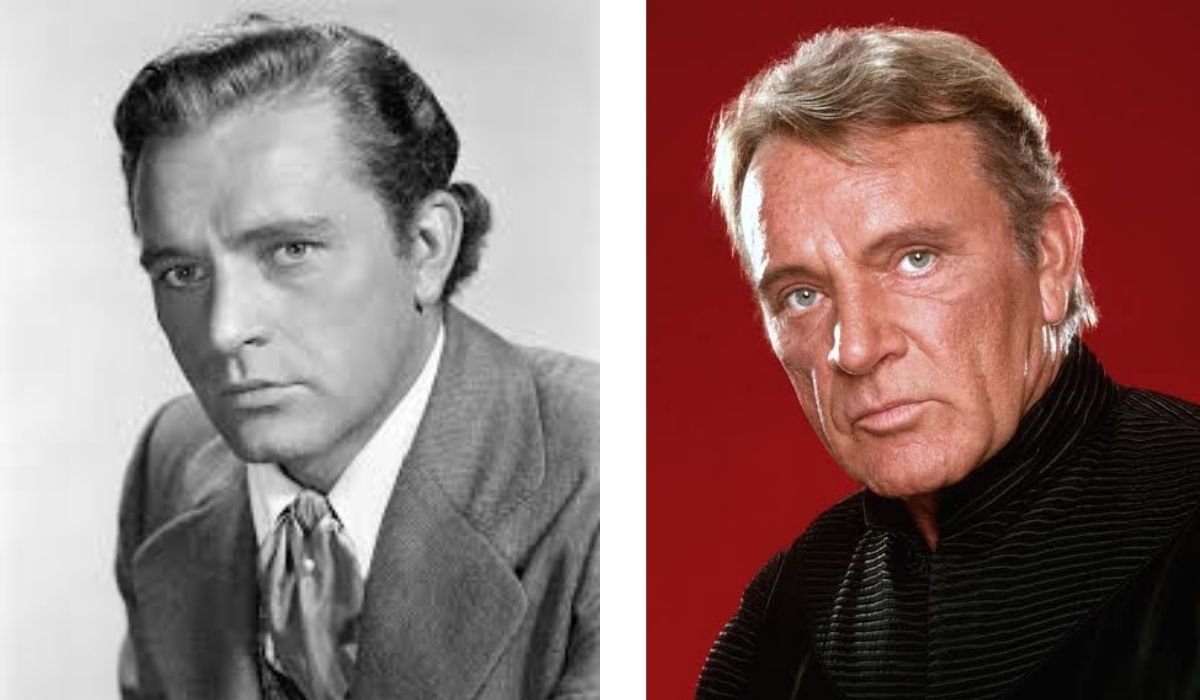
Richard Burton remains etched in cinematic history as one of the most mesmerizing, charismatic, and gifted dramatic actors of the twentieth century. Born Richard Walter Jenkins in a small Welsh mining village on November 10, 1925, he rose from severe working-class poverty through sheer academic and theatrical brilliance. Guided by his dedicated mentor Philip Burton, whose surname he proudly adopted, the young prodigy transitioned from local stage productions to commanding international film screens. Renowned for his thunderous yet lyrical vocal delivery, intense emotional depth, and tumultuous personal life, the enduring legacy of Richard continues to captivate worldwide audiences.
Humble Beginnings in a Welsh Mining Village
Growing up inside the rugged coal-mining community of Pontrhydyfen, Wales, young Burton experienced immense financial hardship early on. Being one of thirteen children meant daily life revolved around stark survival and grueling labor expectations. Tragically, losing his mother during infancy forced his older siblings to step in and manage household responsibilities. Yet, beneath these oppressive economic constraints, young Burton harbored an instinctive love for poetry, literature, and vocal performance that would eventually rescue him from a life down the dark local coal shafts.
The Transformative Guidance of Mentor Philip Burton
Educational salvation arrived when perceptive schoolteachers recognized the raw intellectual talent possessed by Richard Burton inside the classroom. Most importantly, secondary school master Philip Burton took the aspiring young performer entirely under his protective wing. This visionary mentor trained him rigorously in speech projection, classical literature, and disciplined acting fundamentals. Eventually adopting his teacher’s legal surname out of profound gratitude, Richard Burton permanently transformed his destiny, stepping away from working-class obscurity to embrace a sophisticated intellectual identity that shaped his illustrious global career.
Wartime Service in the Royal Air Force
Global conflict temporarily paused these early educational pursuits when Burton enlisted to serve his country during wartime. Entering the Royal Air Force as a cadet navigator, he balanced military discipline with continued reading of classic dramatic texts. Stationed across various military bases, Richard frequently participated in service entertainment programs that kept his performance instincts sharp. This structured military chapter instilled a rugged resilience and worldly maturity that later helped Richard Burton portray complex, battle-hardened military officers and cynical authority figures with absolute authenticity on international motion picture screens.
Triumphant Theatrical Beginnings on London Stages
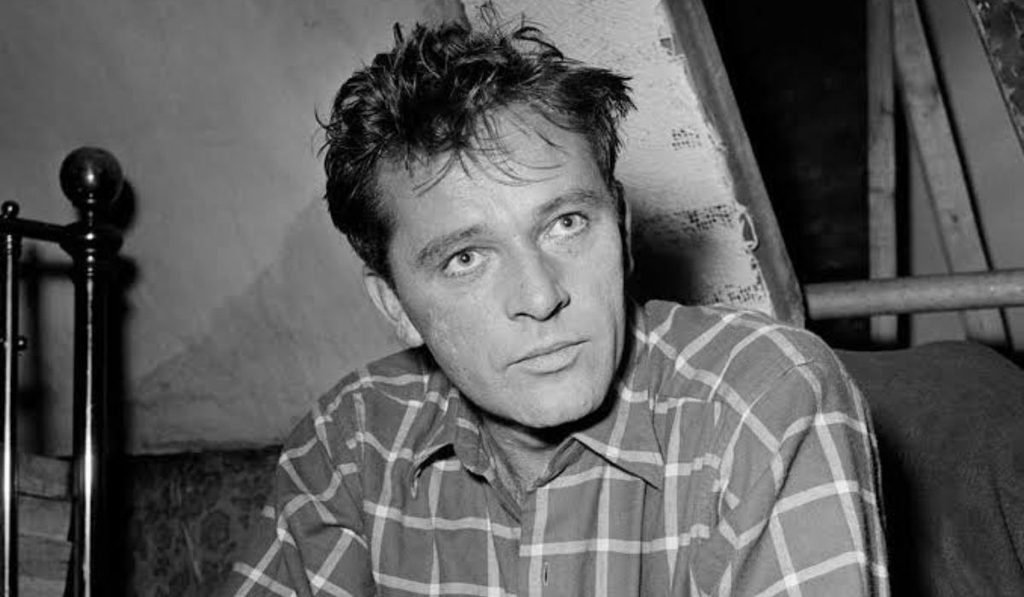
Demobilization from military service allowed Richard Burton to pursue professional theater full-time on prominent London stages. His striking stage presence and unforgettable voice instantly turned heads among West End theater critics and directors. Early roles in acclaimed poetic dramas showcased a rare ability to make complex verse sound entirely natural and deeply moving. Theatergoers quickly realized Richard Burton possessed the magnetic gravity required to carry major classical productions. These celebrated London theatrical triumphs laid an impenetrable foundation before Richard Burton ever attempted to conquer the lucrative American Hollywood studio system.
Earning Immediate Acclaim in Hollywood Films
Hollywood came calling swiftly after American film executives witnessed the electrifying stage capabilities of Burton. Securing his American movie debut in My Cousin Rachel earned Richard Burton an immediate Academy Award nomination for Best Supporting Actor. Movie audiences across the United States were instantly captivated by his brooding intensity and distinctive vocal resonance. Rather than playing a conventional, polite romantic lead, Burton specialized in intense, morally conflicted characters. This successful cinematic introduction proved that Richard was fully equipped to anchor major Hollywood blockbusters with absolute critical and commercial authority.
Mastering Shakespearean Roles at the Old Vic
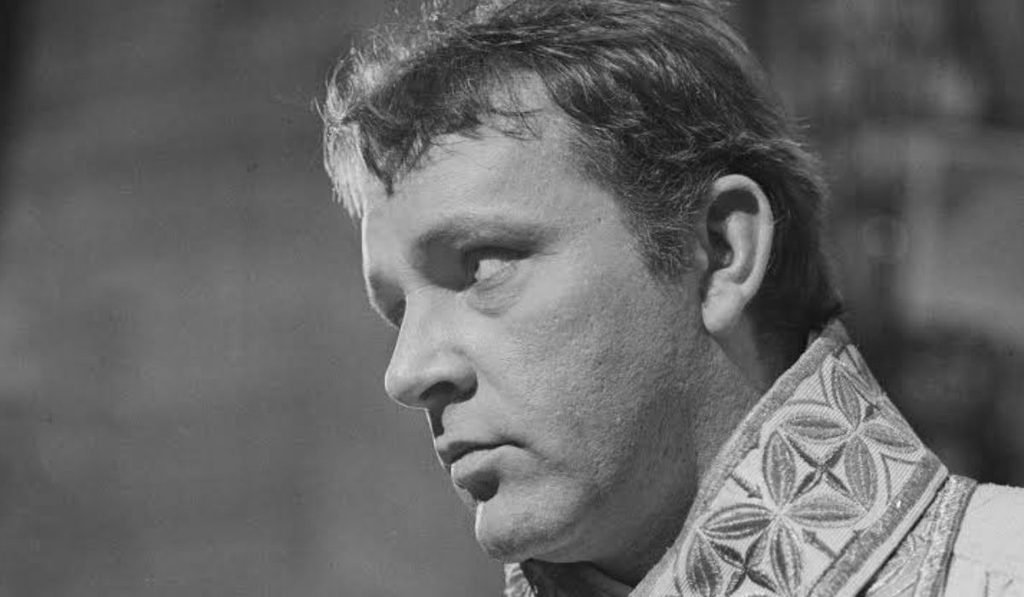
Classic theatrical reverence reached its zenith when Burton joined London’s legendary Old Vic theatre company. Delivering breathtaking portrayals of Hamlet, Othello, and Henry V, Richard Burton cemented his status as a premier Shakespearean interpreter of his generation. Critics praised his ability to blend raw emotional vulnerability with razor-sharp intellectual articulation during demanding soliloquies. Packed houses routinely stood to applaud the fierce dramatic energy that Richard brought to ancient poetic texts. Theater historians still study these legendary Old Vic seasons to understand how Richard redefined classical stage performance standards.
Conquering Broadway in the Musical Camelot
Musical theater witnessed a monumental cultural event when Richard starred as King Arthur in the hit Broadway production Camelot. Although initially hesitant about singing on stage, Richard brought a powerful, spoken-word emotional cadence to the legendary role. His incredible chemistry with co-star Julie Andrews helped turn the romantic medieval tragedy into an instant box-office sensation. Winning a prestigious Tony Award for Best Actor in a Musical, Richard Burton proved his artistic versatility extended far beyond straight dramatic plays and cinema screens, delighting thousands of weekly theatergoers.
Becoming a Global Megastar in Cleopatra
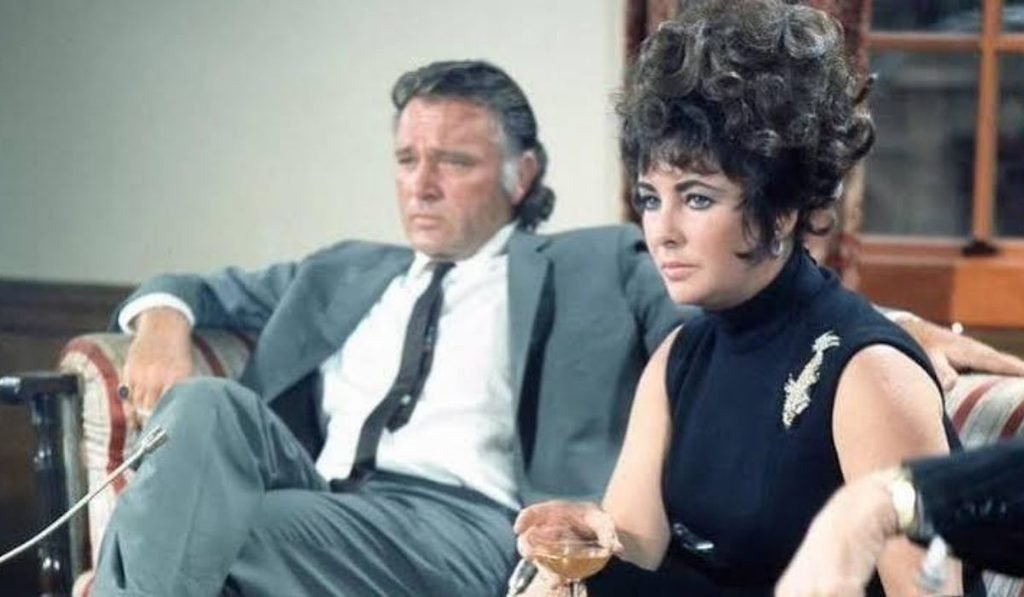
International megastardom enveloped Richard when he accepted the iconic role of Mark Antony in the historical epic Cleopatra. Beyond the massive production budgets and historical spectacle, the film sparked a legendary off-screen romance with co-star Elizabeth Taylor. This intensely publicized real-life affair ignited an unprecedented worldwide media frenzy that followed Richard Burton for the rest of his life. Despite the sensational tabloid attention, the towering performance of Richard anchored the sprawling historical drama, forever altering the pop-culture landscape as RichardBurton entered global cinematic folklore.
Partnering with Elizabeth Taylor in Cinematic Masterpieces
Following their high-profile union, Richard and Elizabeth Taylor formed an unstoppable cinematic powerhouse, starring together in numerous unforgettable films. Their most celebrated collaboration occurred in Who’s Afraid of Virginia Woolf?, where Richard Burton delivered a devastatingly raw portrayal of a weary college professor. This searing marital drama earned Richard Burton yet another Academy Award nomination for his blistering, fearless acting choices. Film lovers continually celebrate these collaborative projects because Richard and Elizabeth Taylor brought authentic, fiery marital chemistry directly into brilliant dramatic art.
Achieving Record Academy Award Nominations Without a Win
Critical recognition accompanied nearly every major project undertaken by Richard Burton, resulting in seven competitive Academy Award nominations throughout his career. Despite consistently delivering masterclasses in films like Becket, The Spy Who Came in from the Cold, and Equus, Richard Burton never actually won a competitive Oscar. Film purists frequently express astonishment that industry voters repeatedly overlooked Richard Burton during competitive ceremonies. Nevertheless, the timeless artistic value embedded within these nominated performances ensures that Richard Burton remains far more celebrated than many actual statuette recipients.
Portraying Cynical Spies and Complex Antiheroes
The cold war era provided an ideal thematic backdrop for the world-weary persona perfected by Richard Burton on screen. In John le Carré’s adaptation of The Spy Who Came in from the Cold, Richard Burton played a burnt-out intelligence agent. His chillingly realistic portrayal stripped away all glamorous James Bond tropes to expose the bleak, psychological toll of espionage. Directors repeatedly cast Richard Burton in cynical roles because he excelled at expressing profound internal disillusionment. Fans of intelligent thriller cinema regard this iconic performance as the absolute pinnacle of cinematic spy characterizations.
Capturing Historical Royalty on Film and Television
Historical figures frequently came alive under the meticulous and commanding characterizations crafted skillfully by Richard Burton. Whether portraying the passionate Tudor monarch Henry VIII in Anne of the Thousand Days or statesman Winston Churchill in television specials, Richard Burton commanded total authority. His ability to memorize massive monologues and project regal dignity made historical dramas feel immediate and gripping. Television audiences and film critics alike marveled at how effortlessly Richard Burton slipped into the psychological framework of world leaders. These historical portraits solidified the reputation of Richard Burton as an exceptionally scholarly actor.
Battling Personal Demons and Addiction Publicly
Behind the glamorous red-carpet appearances and immense wealth, Richard Burton fought a lifelong, highly publicized battle against severe alcoholism and chain smoking. These relentless personal demons frequently impacted his physical health and caused erratic scheduling behavior on various film sets during his later years. Despite these struggles, Richard Burton remained remarkably self-aware, often expressing frustration over squandered artistic potential during candid interviews. Friends and biographers noted that Richard Burton handled his vulnerabilities with a poetic candor that endeared him to fans who recognized his deep, underlying humanity.
Cultivating a Lifelong Passion for Literature and Words
Away from film sets, the true obsession of Richard Burton always remained literature, poetry, and the English language. He constantly traveled with heavy bags filled with dictionaries, classic novels, Shakespeare folios, and historical biographies. Colleagues frequently recalled how Richard Burton could quote epic poetry from memory for hours without a single error. This vast intellectual curiosity informed every single character choice made by Richard Burton, elevating standard Hollywood scripts into high literature. Scholars studying his personal diaries discovered a brilliant prose stylist hidden inside Richard Burton.
Navigating High-Profile Marriages and Divorces
Romance and marital turbulence defined much of the celebrity narrative surrounding the private life of Richard Burton. Most famously, his turbulent double marriage and subsequent divorces from Elizabeth Taylor dominated global gossip columns for decades. Additionally, Richard Burton experienced other significant marriages that reflected his inability to maintain quiet domestic tranquility. Yet, despite the chaotic tabloid headlines, associates observed that Richard Burton cherished deep emotional connections. These intense personal relationships heavily influenced the raw emotional power that Richard Burton brought to his tragic cinematic characters.
Maintaining a Deep Connection to Welsh Roots
Despite achieving supreme international fame, luxury living, and residency in exotic global locales, Richard Burton never forgot his humble Welsh origins. He frequently referenced his homeland in interviews, attributing his famous resonant speaking voice to the coal dust and rain of his native valley. Whenever major rugby matches occurred or Welsh cultural events took place, Richard Burton remained fiercely loyal to his community roots. Local residents in Pontrhydyfen always welcomed him back as one of their own, knowing that global stardom never fundamentally changed the working-class soul of Richard Burton.
Sudden Passing and Global Outpouring of Grief
The sudden, tragic passing of Richard Burton from a cerebral hemorrhage in August 1984 shocked the international entertainment community to its core. Tributes poured in from world leaders, grieving co-stars, and millions of admirers who mourned the loss of a true titan. Cultural institutions lowered flags and hosted memorial retrospectives celebrating the monumental artistic contributions left behind by Richard Burton. Even in death, the magnetic aura surrounding Richard Burton refused to fade, leaving an irreplaceable void within classical theater and world cinema that modern actors still struggle to fill.
Enduring Legacy on Modern Acting and Culture
Decades after his passing, the artistic footprint left by Richard Burton continues to heavily influence contemporary film and stage performers. Young actors regularly study his recorded performances to master the delicate balance between classical verse delivery and modern screen naturalism. Film archives and digital streaming platforms ensure that new generations continuously discover the unmatched brilliance of Richard Burton. Cultural critics frequently rank Richard Burton among the finest dramatic talents ever produced by the British Isles. The immortal voice of Richard Burton echoes eternally through the history of entertainment.
Honors, Tributes, and Posthumous Accolades
Countless posthumous honors, star inductions, and critical retrospectives continue recognizing the permanent cultural legacy established by Richard Burton. Major film institutions regularly curate special screening programs dedicated entirely to examining his extensive, varied cinematic filmography. A coveted star on the Hollywood Walk of Fame proudly marks his eternal presence in Los Angeles, California. Educational scholarships established in his name support aspiring young Welsh actors trying to break into the industry. Admirers worldwide continue honoring the profound, everlasting artistic greatness embodied by Richard Burton.
Frequently Asked Questions
- Who was Richard Burton?
- Richard Burton was a legendary Welsh stage and screen actor celebrated for his resonant voice and intense dramatic performances.
- How many Academy Award nominations did he receive?
- He received seven competitive Academy Award nominations during his career but never won a competitive Oscar.
- What was his relationship with Elizabeth Taylor?
- They were Hollywood megastars who famously married twice and starred together in eleven films, including Who’s Afraid of Virginia Woolf?
- Did he act in Shakespearean plays?
- Yes, he was a renowned Shakespearean stage actor who delivered acclaimed performances at London’s Old Vic and on Broadway.
- Where can I find more biographical details about him?
- Comprehensive background information and filmography records can be found on his