 admin
admin
The cultural significance of uncuymaza offers a fascinating window into historical traditions and regional identities. Exploring this multifaceted concept allows us to understand how ancient practices continue to influence modern artistic expressions and community celebrations today. Through careful preservation and continuous dynamic interpretation, communities protect these invaluable traditions from being forgotten in an ever-changing world. Scholars and history enthusiasts alike study these fascinating customs to uncover deeper insights into human creativity, social cohesion, and heritage preservation. As we delve into its distinct elements, we reveal the profound story behind this enduring custom and its lasting impact on future generations across diverse regions.
| Quick Bio Detail | Specification Information |
| Primary Subject | Uncuymaza Cultural Heritage |
| Domain | Anthropology, Folklore & Regional History |
| Significance | Preservation of Traditional Knowledge & Practices |
| Core Components | Oral Traditions, Ceremonial Rituals, Craftsmanship |
| Global Reach | Celebrated in Regional Heritage Centers Worldwide |
Deep Historical Roots and Ancestral Origins
Understanding the foundational history behind uncuymaza provides essential context for recognizing its enduring global relevance. Originating centuries ago, this traditional practice developed as a vital means of communication, storytelling, and community bonding among early settlement groups. Historical artifacts and oral records suggest that community leaders utilized these ceremonies to mark key seasonal transitions and social milestones. Over generations, the practice adapted to surrounding social changes while keeping its foundational values fully intact. Today, historians carefully analyze these early origins to trace how historical social structures shaped regional customs, ensuring that ancestral wisdom remains accessible, understood, and appreciated by contemporary society and future generations worldwide.
Structural Evolution Through Historical Epochs
Throughout different historical eras, uncuymaza underwent significant transformations while successfully retaining its core spiritual and cultural identity. During medieval times, local artisans and cultural guardians refined the techniques associated with these traditional practices, incorporating new artistic materials and regional symbols into annual rituals. The advent of modern industrialization brought fresh challenges to rural traditions, forcing communities to adapt their long-standing customs for urban environments. Despite these major societal shifts, the core essence remained resilient, evolving from an isolated rural custom into a broadly recognized artistic expression that reflects both historical continuity and contemporary artistic innovation within diverse cultural communities.
Core Philosophical Foundations and Spiritual Values
At the heart of uncuymaza lies a deep philosophical framework centered around environmental balance, community solidarity, and shared respect. Traditional practitioners view these ancient customs not merely as routine performative arts, but as profound expressions of humanity’s ongoing harmony with nature. Ceremonial gatherings emphasize togetherness, providing space for individuals to reconnect with their roots and reaffirm shared community values. Scholars of religion and philosophy highlight how these embedded ideals foster social harmony and resilience during challenging times. By emphasizing empathy, cooperation, and artistic integrity, the philosophical underpinning continues to inspire modern individuals seeking meaningful connections in our fast-paced world.
Symbolic Representations in Traditional Craftsmanship
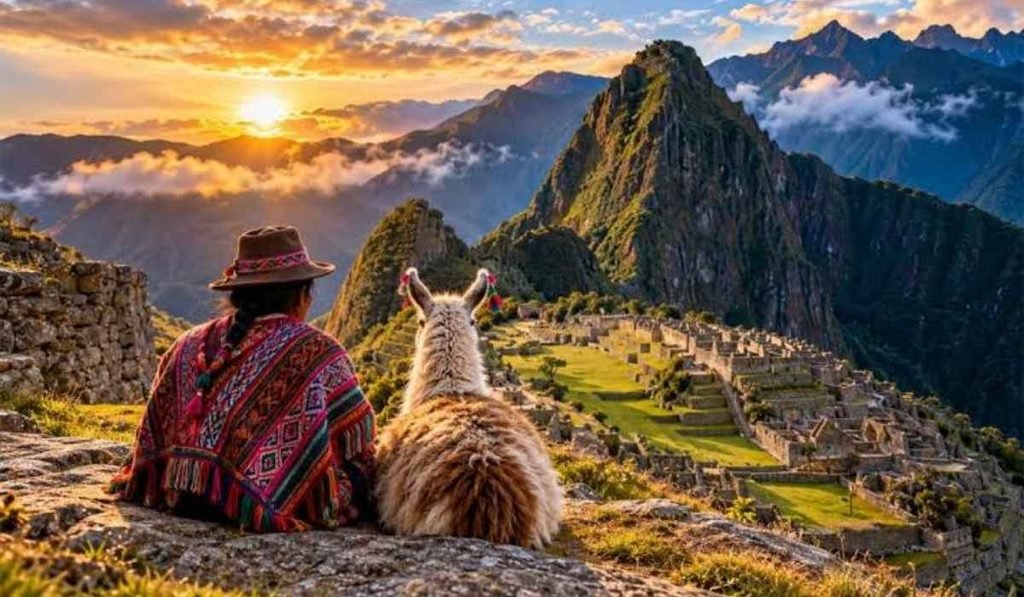
Visual artistry plays a crucial role in preserving uncuymaza through intricate textile patterns, carved artifacts, and symbolic ceremonial garments. Master craftsmen dedicate years to learning specialized techniques passed down through generations, ensuring every shape and color retains its traditional meaning. Geometric patterns often symbolize natural elements like rivers, mountains, and celestial bodies, while distinct color palettes represent different life stages or social roles within the community. Modern art collectors and museum curators value these handmade artifacts for their exceptional craftsmanship and deep historical context, recognizing that each physical piece serves as a living tangible bridge connecting past traditions with present artistic appreciation.
Ceremonial Practices and Seasonal Ritual Gatherings
Annual festivals centered around uncuymaza bring together vibrant local communities to celebrate seasonal changes and shared cultural history. Participants dress in elaborate traditional attire, gathering at sacred communal sites to perform specific rituals accompanied by traditional music and rhythmic dance steps. These gatherings serve as vital educational platforms where community elders pass down intricate song lyrics and ceremonial procedures directly to younger participants. The joyful festive atmosphere strengthens social networks, reinforces mutual respect, and instills sense of pride among community members while offering visiting tourists authentic firsthand experiences of living history preserved across multiple generations with great devotion.
Music and Oral Traditions in Performance Art

Soundscapes and oral storytelling form an indispensable part of uncuymaza performances, carrying complex narrative histories across many generations. Traditional instruments made from local wood, natural clay, and animal hides create distinctive musical rhythms that accompany rhythmic chants and spoken legends. Lead singers often recite long historical epics detailing ancestral achievements, natural disasters, and heroic community deeds, serving as living human archives for their culture. Ethnomusicologists frequently record these unique performances to study archaic linguistic dialects and distinct melodic structures, ensuring that these ephemeral audio traditions are preserved alongside physical artifacts for comprehensive academic study and future artistic inspiration.
Artistic Expressions in Contemporary Visual Media
Contemporary visual artists frequently draw inspiration from uncuymaza, blending traditional symbolic motifs with innovative digital media and modern canvas painting. Dynamic art exhibitions around the world highlight how historical symbols can be reimagined to address contemporary social issues, personal identity, and environmental sustainability. By translating ancient imagery into modern artistic mediums, visual creators bridge the gap between historical heritage and contemporary artistic appreciation. This creative cross-pollination exposes fresh audiences to traditional folklore while encouraging modern artists to maintain meaningful connections with their ancestral roots, proving that traditional culture remains vibrant, adaptable, and relevant within global contemporary art scenes.
Community Building and Collective Identity Preservation
Preserving uncuymaza plays an invaluable role in strengthening social ties and fostering a strong sense of collective identity among youth. In an increasingly homogenized global society, distinct local traditions provide individuals with meaningful roots and clear cultural belonging. Community workshops, neighborhood youth groups, and local cultural centers organize regular events that encourage active participation in traditional arts. These community initiatives offer supportive spaces where individuals build lasting friendships, learn essential team collaboration skills, and develop deep respect for their cultural heritage, ensuring that local identity remains strong and resilient against rapid external social and cultural shifts.
Educational Initiatives and Academic Research Studies
Educational institutions increasingly recognize uncuymaza as an important subject for academic interdisciplinary research within sociology, history, and anthropology departments. Modern universities partner with local community elders to document oral histories, translate old song lyrics, and digitally archive rare physical artifacts for public access. School curricula around the region incorporate these rich historical lessons to teach young students about local heritage, diversity, and cultural conservation techniques. By integrating traditional knowledge into formal academic frameworks, educators empower future scholars to conduct rigorous research while instilling early appreciation for heritage preservation among students from diverse academic and cultural backgrounds.
Economic Impacts and Sustainable Cultural Tourism
Sustainable tourism centered on uncuymaza provides important economic vitality to rural communities while honoring their authentic traditional lifestyle. Visitors travel from around the world to witness authentic festival performances, purchase locally crafted artisanal products, and participate in immersive educational workshops hosted by native community members. Responsible tourism frameworks ensure that financial benefits flow directly back into local infrastructure, health services, and heritage preservation projects without exploiting local traditions. By balancing economic development with strict cultural respect, communities transform their unique heritage into a sustainable economic asset that supports future generations while keeping their living traditions fully protected.
Environmental Sustainability and Eco-Friendly Traditions
The ecological principles underlying uncuymaza emphasize profound respect for natural landscapes, local biodiversity, and responsible resource stewardship. Traditional practices utilize strictly natural, locally sourced materials such as plant dyes, organic clay, and sustainably harvested wood for all ceremonial equipment and crafts. Community rituals often include symbolic offerings honoring local rivers, forests, and agricultural lands, reinforcing sustainable ecological habits among participants. Environmental scientists and conservationists work alongside traditional leaders to study these eco-friendly practices, applying ancient resource management wisdom to modern conservation projects designed to combat climate change, soil erosion, and habitat loss across fragile natural ecosystems worldwide.
Global Diaspora and International Heritage Awareness
Migrant communities around the world actively preserve uncuymaza, establishing vibrant international cultural clubs and annual heritage festivals in global cities. Diaspora members organize community gatherings, language workshops, and dance performances to maintain strong emotional connections with their ancestral homeland. These international celebrations expose multicultural urban populations to rich traditional customs, fostering cross-cultural understanding and global mutual respect. International heritage organizations support these diaspora efforts through grants and cultural exchange programs, ensuring that traditional practices adapt successfully to new geographic environments while retaining their underlying historical significance and authentic artistic qualities across international borders.
Digital Archiving and Modern Technological Integration
Modern digital technologies offer powerful innovative tools for documenting, preserving, and sharing uncuymaza with global online audiences everywhere. High-definition photography, 3D laser scanning of physical artifacts, and interactive virtual reality museum tours allow users anywhere to explore ceremonial sites and historical crafts in extraordinary detail. Archives store digital audio recordings of oral histories on cloud servers to prevent permanent loss due to natural disasters or aging artifacts. Tech-savvy community youth collaborate with digital archivists to create educational smartphone apps and social media content, ensuring that historical heritage remains readily accessible, engaging, and relevant to modern tech-oriented generations.
Role of Women in Cultural Transmission and Artistry
Women play a central and foundational role in maintaining uncuymaza, serving as primary guardians of oral histories, traditional recipes, and textile arts. Mother figures pass down intricate weaving patterns, vocal songs, and ceremonial customs to younger generations within domestic and community settings. Female artisans frequently form local cooperatives to market their intricate handwoven textiles and pottery, gaining economic independence while keeping artistic traditions vibrant. Anthropological studies emphasize that female leadership within cultural preservation efforts ensures social continuity, community health, and emotional stability, highlighting women’s indispensable contributions to maintaining living heritage across generations within traditional and modern contexts alike.
Linguistic Preservation and Dialectical Heritage Recovery
The unique linguistic elements intertwined with uncuymaza offer vital protection for rare regional dialects and indigenous vocabulary that face potential extinction. Ceremonial chants, traditional folk songs, and ritual proverbs contain archaic words and grammatical structures no longer used in everyday conversational speech. Linguists work closely with native speakers to document these unique language traits, creating comprehensive dictionaries, audio pronunciation guides, and written textbooks. By keeping these linguistic forms active through public performances and academic study, communities safeguard their native language, preserving unique historical perspectives, poetic expressions, and ancestral knowledge embedded within their distinctive traditional linguistic structures.
Youth Engagement and Modern Creative Adaptations
Engaging young people with uncuymaza requires innovative educational approaches that blend traditional heritage values with modern creative youth culture. Youth organizations host creative competitions where young musicians fuse traditional acoustic instruments with contemporary electronic soundscapes or urban music genres. Interactive workshops teach digital storytelling, media production, and modern graphic design inspired by ancient symbolic motifs, making historical heritage fresh and appealing to teenagers. This dynamic balance between traditional authenticity and modern creative experimentation encourages younger generations to take genuine pride in their heritage, transforming passive audience members into active lifelong custodians of their community’s unique cultural legacy.
Legal Protection and Intellectual Property Safeguards
Safeguarding uncuymaza from commercial exploitation and unauthorized cultural appropriation requires robust legal frameworks and intellectual property protections. Indigenous communities and legal experts work together to secure geographical indications, collective trademarks, and legal copyrights for traditional crafts and performance styles. International organizations provide legal guidance to prevent commercial companies from copying traditional designs without proper attribution or financial compensation to native creators. Enforcing these essential legal safeguards protects local economies, maintains artistic authenticity, and ensures that traditional creators retain full ownership, administrative control, and decision-making power over their own living cultural heritage across global markets.
Intergenerational Storytelling and Social Cohesion
The art of intergenerational storytelling within uncuymaza fosters deep empathy, mutual understanding, and respect between different age groups within communities. During evening communal gatherings, community elders share historical legends, personal life lessons, and ancestral wisdom with attentive children and young adults. This continuous oral transmission creates strong emotional bonds, bridges generational gaps, and reduces feelings of social isolation among senior citizens. Modern sociologists study these storytelling traditions as successful models for building resilient, supportive social structures, demonstrating that regular intergenerational dialogue is essential for maintaining strong mental health, community solidarity, and shared cultural identity across generations.
Museum Exhibitions and Public Curation Strategies
World-class museums and public galleries play a critical role in educating global audiences about uncuymaza through curated physical and digital exhibitions. Professional curators work directly with native community representatives to design respectful displays that place artifacts in their full historical and social contexts. Interactive museum displays, immersive audio-visual presentations, and guided curator lectures offer visitors rich multidimensional educational experiences that go beyond static showcase displays. By prioritizing community-led curation strategies, museums ensure that traditional stories are told authentically from native perspectives, promoting cross-cultural appreciation, ethical museum practices, and accurate global understanding of rich regional heritage.
Future Horizons and Sustainable Global Continuity
Looking forward, the long-term sustainability of uncuymaza relies on active global cooperation, continuous educational innovation, and passionate community leadership everywhere. As global societies navigate rapid technological advancements and environmental changes, traditional wisdom offers grounding values and creative inspiration for solving modern challenges. International partnerships, academic research networks, and cultural exchange programs continue to raise awareness and fund preservation initiatives worldwide. By fostering inclusive educational environments and empowering young cultural custodians, society ensures that this remarkable living tradition continues to thrive, inspire, and enrich human culture across many future generations ahead.
Frequently Asked Questions (FAQs)
- What is the historical origin of this traditional custom?
- It originated centuries ago as a vital communal tradition for communication, seasonal celebrations, and social bonding.
- How do modern artists preserve these ancient cultural practices?
- Contemporary creators integrate traditional symbolic motifs into modern visual arts, digital media, and contemporary music compositions.
- Why is linguistic preservation important in regional ceremonies?
- Ritual chants and folk songs contain rare archaic vocabulary and unique dialects that protect native linguistic heritage.
- How does sustainable cultural tourism benefit local communities?
- Responsible tourism generates direct income for local infrastructure and heritage conservation while preserving authentic local lifestyles.
- What role do digital technologies play in heritage conservation?
- Digital tools enable 3D artifact scanning, high-definition audio archives, and virtual museum tours for global educational access.