 admin
admin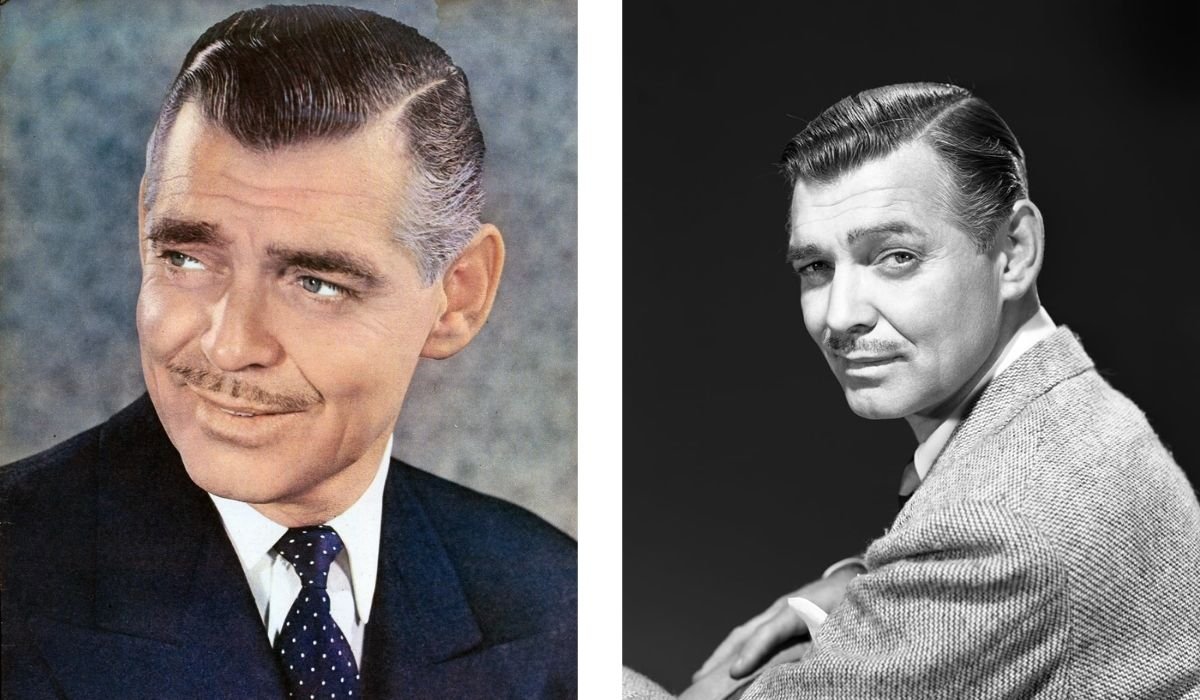
Clark Gable remains one of the most enduring icons in cinematic history, captivating audiences worldwide with his unmatched charisma, rugged charm, and undeniable screen presence. Born Williamon February 1, 1901, in Cadiz, Ohio, he grew up facing early adversity after losing his mother at a young age. Despite a humble upbringing, young Clark developed an early fascination with the theater, often sneaking away to watch local stage productions. This passion eventually fueled his relentless ambition to escape small-town life and pursue a professional acting career. Today, fans continue celebrating his remarkable legacy through classic films.
Early Life and Childhood Struggles
Growing up in rural Ohio presented numerous challenges for young during his formative years. Following the tragic passing of his mother just months after his birth, his father struggled to provide stable financial support. Consequently, spent much of his childhood moving between various relatives across the state. Despite these difficult circumstances, he maintained a resilient spirit and a strong work ethic. These early hardships ultimately shaped his rugged persona, preparing him for the demanding realities of Hollywood stardom. Fans of Clark Gable often study these humble beginnings to understand his enduring appeal on the silver screen.
Discovering a Passion for Acting
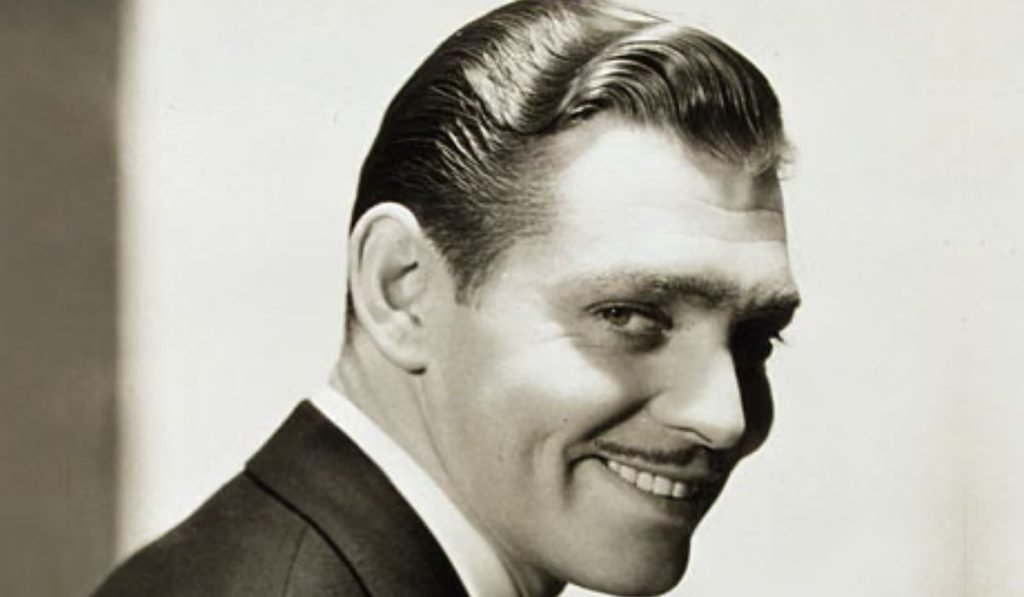
The theatrical spark ignited within during his late teens after witnessing several captivating live stage performances. Inspired by the actors’ ability to transport audiences into different worlds, Clark Gable decided to pursue acting. He took on various odd jobs to fund his theater ambitions while auditioning for regional troupes. Although initial rejections were frequent, his stubborn determination prevented him from giving up on his dream. Directors eventually noticed his striking looks and raw talent, opening doors to professional theatrical productions. Today, enthusiasts of C appreciate how these early stage experiences laid the foundation for his legendary cinematic career.
Transitioning from Stage to Screen
Transitioning from live theater to the burgeoning film industry proved challenging for a young Clark Gable. Silent films demanded exaggerated physical expressions, whereas possessed a naturally subtle yet commanding screen presence. He spent several years grinding away in minor stage roles before securing small parts in early silent motion pictures. Hollywood executives initially hesitated due to his prominent ears, but screen tests quickly proved his undeniable star power. As talking pictures revolutionized cinema, his rich voice became a major asset. Fans o marvel at how seamlessly he conquered both silent and sound eras in film history.
Signing with Metro Goldwyn Mayer
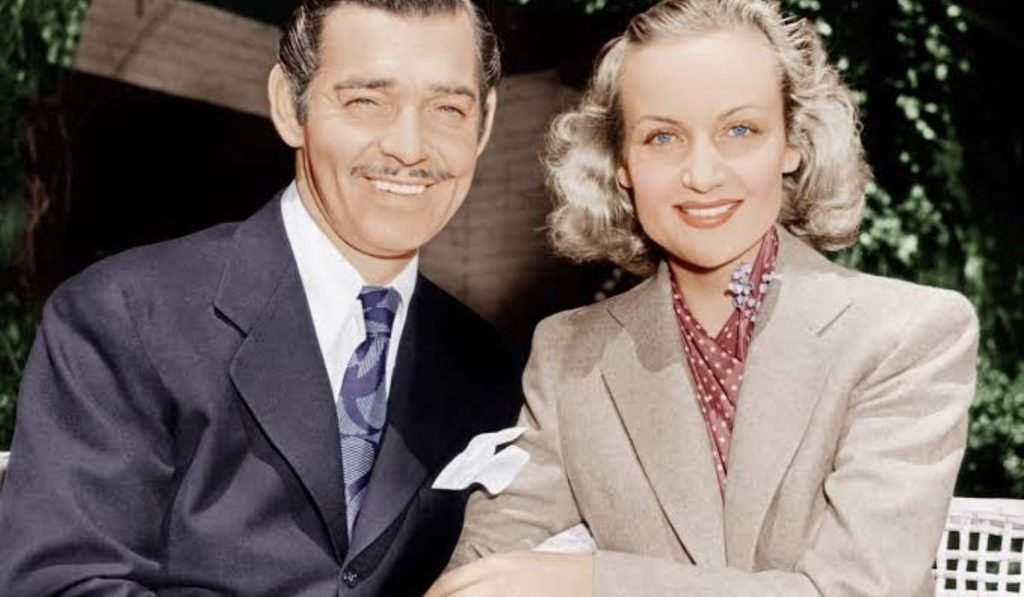
A pivotal turning point arrived when signed a lucrative contract with Metro-Goldwyn-Mayer studios. Under this powerful studio system, Clark Gable received careful packaging and strategic casting to maximize his commercial appeal. Executives recognized his potential to portray both romantic leads and tough, rebellious characters effortlessly. This partnership provided him with access top-tier directors, lavish production budgets, and legendary co-stars. His career skyrocketed as MGM cast him in a succession of high-profile romantic dramas and adventure films. Film historians studying frequently highlight this studio alliance as the cornerstone of his meteoric rise.
Breakthrough Role in A Free Soul
The year 1931 marked a major breakthrough for Clark Gable with his breakout role in A Free Soul. Playing a gritty, charismatic gangster named Jim Lane, completely stole the show from the established leading men. Audiences went wild for his intense performance, which combined raw danger with irresistible charm. Critics praised his ability to command the screen with such effortless authority and confidence. This standout performance instantly catapulted into the upper echelon of Hollywood superstardom. Fans revisitingmovies often point to this iconic role as the definitive moment he became a true box-office titan.
Winning an Academy Award for It Happened One Night
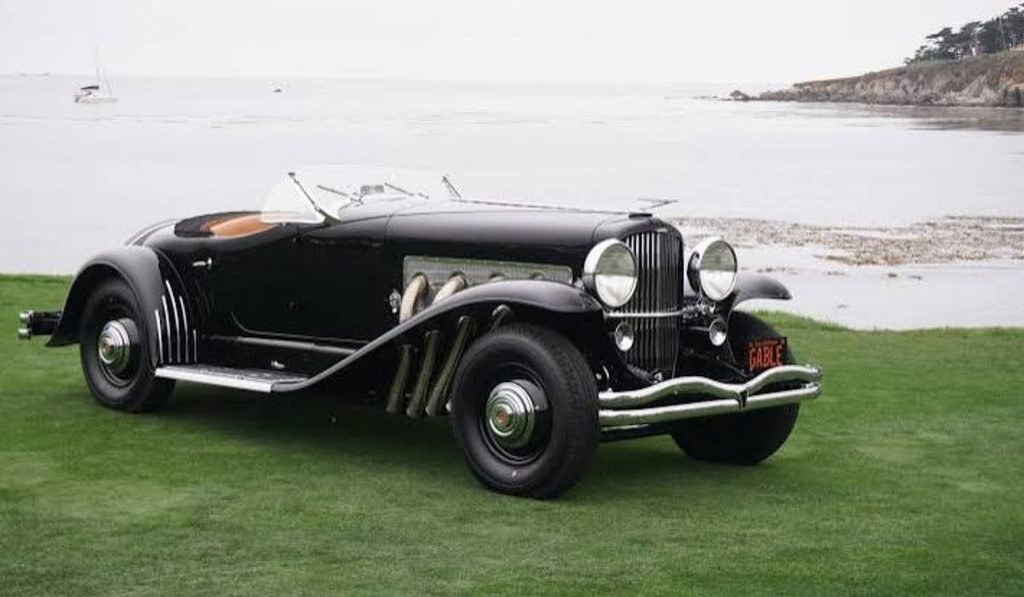
History was made when won the Academy Award for Best Actor in It Happened One Night. Directed by Frank Capra, this classic romantic comedy allowed Clark Gable to showcase his exceptional comedic timing. He played a cynical yet charming newspaper reporter forced to help a runaway heiress. The film became a massive cultural phenomenon, sweeping all major categories at the Academy Awards ceremony. Interestingly, studio politics initially forced into the picture, making his triumphant win even more legendary. Today, admirers of celebrate this masterpiece as a pinnacle of Hollywood’s golden age.
The Iconic King of Hollywood Crown
By the mid-nineteenth thirties, box-office receipts officially cemented as the undisputed King of Hollywood. Studio publicists and adoring fans alike bestowed this prestigious moniker upon Clark Gable due to his unmatched popularity. He consistently outranked all contemporary actors in ticket sales, driving massive profits for movie studios. His signature mustache, slicked-back hair, and dashing smile became globally recognized cultural touchstones. Despite immense fame, maintained a remarkably down-to-earth persona among everyday crew members. Followers of continue honoring this royal cinematic title generations after his passing.
Starring in Mutiny on the Bounty
Adventure called in 1935 when Clark Gable took on the legendary role of Fletcher Christian in Mutiny on the Bounty. This epic sea drama required to adopt a British accent and master intense maritime action sequences. His dynamic on-screen rivalry with co-star Charles Laughton created cinematic magic that thrilled global audiences. The film achieved massive commercial success and earned critical acclaim, further proving his incredible versatility as an actor. received another well-deserved Academy Award nomination for his brilliant performance in this epic masterpiece. Classic film lovers analyzing consistently rank this sea adventure among his absolute finest artistic achievements.
World War Two Military Service
When global conflict erupted, patriotism compelled Gable to step away from Hollywood and enlist in military service. Following the tragic death of his beloved wife Carole Lombard, Clark Gable joined the United States Army Air Forces. He completed aerial gunnery school and flew active combat missions over Europe as part of documentary film crews. Despite his massive celebrity status, Clark Gable refused special treatment and shared the dangerous risks with fellow soldiers. Adolf Hitler himself reportedly offered a reward for anyone who captured Clark alive. Military historians and fans of Clark Gable deeply respect this brave chapter of his life.
Returning to Postwar Hollywood
Civic duty fulfilled, Clark Gable returned to Hollywood after World War Two to resume his legendary film career. Fans eagerly welcomed back with open arms, driving ticket sales to incredible record highs immediately. Although he faced the challenge of aging in an industry obsessed with youth, his maturity added new depth. Directors cast him in more sophisticated, rugged roles that suited his weathered appearance and seasoned acting skills. He continued working tirelessly, proving that his star power remained entirely undiminished by time away. Cinema buffs studying appreciate how gracefully he navigated his transition into veteran leading man status.
Romantic Leads and Leading Ladies
Throughout his legendary career, Clark Gable shared the screen with Hollywood’s most glamorous and talented leading ladies. Whether starring opposite Joan Crawford, Jean Harlow, or Myrna Loy, Gable generated explosive chemical synergy. These cinematic partnerships defined the golden standard of romantic on-screen dynamics for generations of future filmmakers. Gossip columns frequently linked Gable to his famous co-stars, though he maintained professional focus on set. Audiences flocked to theaters simply to witness the romantic tension and witty banter he effortlessly delivered. Devotees of Gable adore these timeless romantic pairings that captured the magic of classic cinema.
Masterpiece Role in Gone with the Wind
No discussion about remains complete without highlighting his immortal performance in Gone with the Wind. Playing the cynical, charming rogue Rhett Butler, delivered the performance of a lifetime. The film shattered virtually every box-office record, becoming the most financially successful motion picture ever released. His iconic final exit line remains etched forever in cinematic history as a masterclass in dramatic delivery. Although he narrowly missed winning an Oscar for this role, Clark Gable secured his immortality. Movie enthusiasts across the globe still view Clark through the enduring cultural lens of this monumental epic.
Personal Life and High Profile Marriages
Beyond the silver screen, the personal life of fascinated millions of devoted fans and tabloid journalists. married five times throughout his eventful life, with his romance with Carole Lombard standing out. Their passionate love affair captivated the public, making them Hollywood’s ultimate golden power couple. Tragically, a devastating airplane crash cut short his marriage to Lombard, plunging Clark Gable into profound grief. He later found stability and happiness in his final marriage to Kay Williams, who mothered his only son. Biographers analyzing frequently explore how these intense personal trials shaped his private demeanor.
Later Career and Final Film Role
In his later years, Clark Gable transitioned into playing weathered, complex characters that reflected his real-life maturity. He starred in acclaimed westerns and dramas, showcasing an impressive range that defied simple romantic-lead typecasting. His final completed film, The Misfits, paired Clark with Marilyn Monroe in a poignant desert drama. Tragically, the grueling physical demands of the shoot and his heavy smoking habits took a severe toll. suffered a fatal heart attack shortly after wrapping production, never getting to see the finished masterpiece. Fans of treasure this final performance as a fittingly powerful swan song.
Tragic Passing and Sudden Legacy
The unexpected death of Clark Gable in November 1960 sent shockwaves of grief across the entire world. Fans mourned the loss of a true cinematic titan who defined an entire golden era of Hollywood. Tributes poured in from former co-stars, directors, and political leaders celebrating the monumental life of Clark Gable. His sudden passing marked the symbolic end of classical Hollywood’s glamorous golden studio system. Yet, despite his physical absence, the cultural footprint left by Clark Gable continued expanding exponentially. Film archives and retrospective screenings ensure that future generations discover the magic of Clark Gable every single day.
Lasting Influence on Modern Cinema
Generations of actors studying the craft point directly to Clark Gable as a primary source of timeless inspiration. Directors frequently emulate his relaxed confidence, sharp comedic timing, and effortless ability to command attention. Film schools analyze his performances to teach students the delicate balance between rugged masculinity and vulnerability. Modern blockbusters often borrow archetypes directly inspired by the classic characters that Clark Gable brought to life. Cultural critics agree that the cinematic landscape would look fundamentally different without his foundational contributions. Enthusiasts preserving film history ensure that the monumental legacy of Clark Gable endures forever.
Preservation of Classic Film Heritage
Dedicated film preservationists work tirelessly to restore aging celluloid prints featuring the unforgettable work of Clark Gable. Modern digital restoration techniques allow contemporary audiences to experience Clark Gable movies in stunning high-definition clarity. Museums and historic theaters frequently host retrospective festivals celebrating the vast and varied filmography of Clark Gable. These cultural initiatives educate younger demographics about the historical significance of Hollywood’s golden age. Scholars document every detail of his career to maintain accurate historical records for future film historians. Supporters of Clark Gable champion these ongoing preservation efforts with immense passion and dedication worldwide.
Honors Awards and Permanent Accolades
Countless honors, awards, and permanent accolades recognize the extraordinary contributions made by Clark Gable to cinema. Star on the Hollywood Walk of Fame proudly marks his enduring presence in Los Angeles. Prestigious film institutions regularly rank Clark Gable among the greatest male screen legends of all time. Academy Award nominations and his historic win cemented his technical mastery alongside his undeniable mass appeal. Postal services have even featured Clark Gable on commemorative stamps, honoring his immense cultural impact globally. Admirers visiting Hollywood continue paying respects at monuments dedicated to celebrating Clark Gable.
The Eternal King of the Silver Screen
Ultimately, the magnificent legacy transcends mere box office numbers and golden statuettes. He remains the definitive embodiment of classic Hollywood romance, adventure, and undeniable star quality. From humble beginnings in rural Ohio to reigning supreme as Hollywood royalty, his journey inspires millions. Fans old and new continue falling in love with his timeless charm across streaming platforms and revival cinemas. The name Clark Gable evokes an immediate sense of cinematic magic that will never fade away. As long as people cherish great storytelling, the legendary King of Hollywood will reign supreme.
Frequently Asked Questions
- Who was Clark Gable?
- Clark Gable was a legendary American actor widely celebrated as the King of Hollywood during cinema’s golden age.
- What is most famous movie role?
- He is most famously known for portraying Rhett Butler in the epic 1939 masterpiece Gone with the Wind.
- Did Clark Gable win an Academy Award?
- Yes, he won the Academy Award for Best Actor for his memorable performance in It Happened One Night.
- Why was he called the King of Hollywood?
- Publicists and fans bestowed this title upon him because he consistently dominated box office ticket sales throughout the 1930s.
- Where can I learn more about his life and career?
- Detailed information regarding his filmography and biography can be explored on his