
 admin

In a world defined by relentless notifications, endless multitasking, and an overwhelming abundance of consumer choices, the concept of what is simplicity has evolved from a minimalist aesthetic into an urgent psychological necessity. Modern society often equates more with better, yet this relentless accumulation frequently leads to burnout, anxiety, and a profound sense of emptiness.
True simplicity is not about living in an empty room or depriving oneself of life’s pleasures; rather, it is a deliberate, conscious choice to strip away the non-essential so that what truly matters can shine. By examining our daily habits, mental clutter, and physical spaces, we can uncover a liberating pathway toward peace and clarity. This exploration delves deeply into the multifaceted dimensions of simplicity, offering a comprehensive roadmap for transforming your lifestyle from chaotic to deeply intentional.
Quick Bio
| Attribute | Detail |
|---|---|
| Concept Name | Simplicity |
| Primary Goal | Eliminating the non-essential to focus on core values |
| Core Benefits | Reduced stress, enhanced focus, improved mental clarity |
| Key Domains | Lifestyle, mindset, design, digital habits, minimalism |
| Ultimate Outcome | A more peaceful, purposeful, and sustainable existence |
The Roots of Simplicity Throughout Human History
Long before modern productivity gurus coined terms like minimalism, ancient philosophers across diverse cultures understood what is simplicity as the cornerstone of a virtuous life. From the austere lifestyle advocated by the ancient Greek Cynics to the profound principles of Taoism in the East, thinkers recognized that happiness does not scale with possessions. Historical figures consistently turned away from societal excess to reconnect with nature, inner wisdom, and community. This rich heritage demonstrates that the longing for a straightforward, uncluttered existence is deeply embedded in the human spirit. When we study these historical roots, we discover that simplicity has always been humanity’s antidote to societal overreach and distraction.
Defining Simplicity Beyond Minimalist Aesthetics
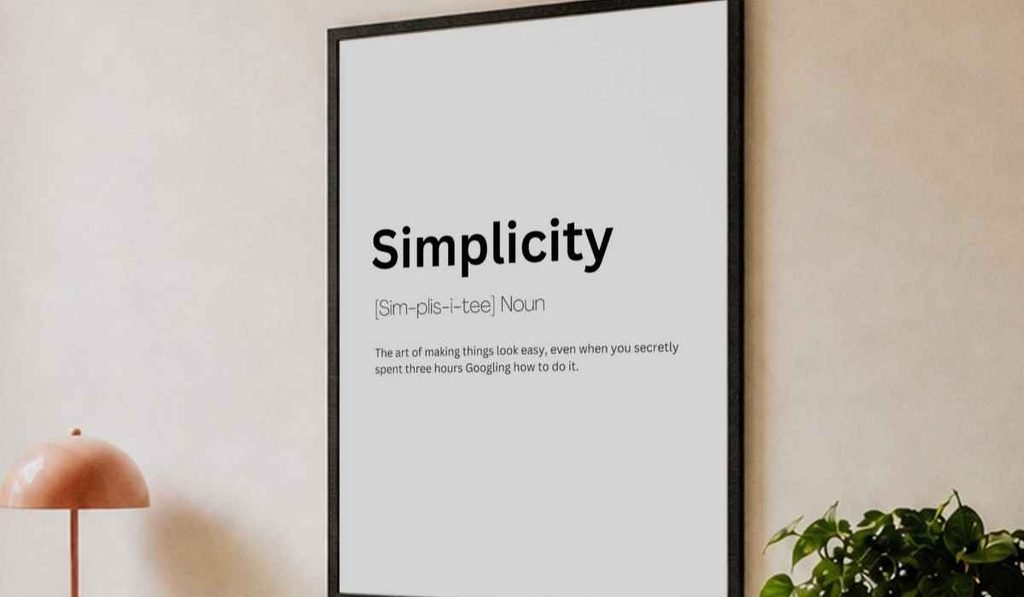
Many people mistakenly assume that what is simplicity is purely visual, characterized by white walls, sparse furniture, and monochromatic wardrobes. However, true simplicity goes far beyond surface-level design choices; it is a holistic philosophy that governs how we think, feel, and act. A person can live in a minimalist home yet possess a cluttered, hyperactive mind that defeats the entire purpose of the aesthetic. Simplicity is ultimately an internal state of being where priorities are clearly aligned with personal values. It involves making conscious sacrifices of the good to make room for the great. By shifting our perspective, we realize that simplicity is an attitude rather than a strict decorating style.
The Psychological Burden of Modern Complexity
Human brains evolved in environments with relatively low stimulation, yet today we process more information in a single day than our ancestors did in a lifetime. Understanding what is simplicity requires examining the heavy psychological toll exacted by decision fatigue, information overload, and perpetual connectivity. When every waking moment is bombarded by choices and notifications, our cognitive bandwidth becomes severely depleted. This chronic mental overload manifests as anxiety, chronic fatigue, and an inability to concentrate on deep, meaningful tasks. Embracing simplicity acts as a cognitive reset, lowering cortisol levels and giving our overworked nervous systems the vital breathing room they desperately need to heal and thrive.
Decluttering Your Physical Living Space

Our external environments actively shape our internal emotional landscapes, making physical organization a crucial component of what is simplicity in daily life. Every physical object in a home demands a small fraction of our attention, whether it requires cleaning, organizing, or simply being looked at. When homes overflow with unused possessions, this accumulated visual noise translates into persistent background stress. Intentional decluttering involves evaluating each item based on its genuine utility or deep emotional resonance rather than fear-based scarcity mindsets. As physical spaces become lighter and more organized, residents frequently report feeling an immediate sense of emotional liberation and renewed mental energy.
Mastering Digital Minimalism and Screen Fatigue
Digital devices promise seamless connectivity, yet they frequently trap users in endless loops of distraction and superficial engagement. Exploring what is simplicity in the digital age means auditing our relationship with smartphones, social media feeds, and relentless email notifications. By turning off non-essential alerts, establishing strict screen-free zones, and curating our digital feeds, we reclaim valuable hours of our day. Digital simplicity allows us to transition from passive consumers of algorithmic content to active creators and participants in our real-world lives. Ultimately, mastering our screens ensures that technology serves our deepest human needs rather than dictating our attention and emotional state.
Streamlining Daily Routines for Maximum Focus
Decision fatigue begins early in the morning when we waste precious mental energy deciding what to wear, what to eat, and how to structure our schedules. Recognizing what is simplicity in operational routines involves automating recurring choices through capsule wardrobes, meal prepping, and standardized morning rituals. Elite performers across various disciplines intentionally reduce routine micro-decisions so they can channel their cognitive peak performance toward meaningful creative work. When daily logistics run on autopilot, individuals experience a profound sense of ease and sustained focus throughout their demanding personal and professional endeavors.
Financial Freedom Through Intentional Consumption
Consumer culture aggressively markets the false narrative that spending money on luxury goods directly correlates with long-term human happiness and social status. Grasping what is simplicity regarding personal finance empowers individuals to break free from debt cycles, impulse buying, and lifestyle creep. By distinguishing between genuine needs and fleeting superficial desires, people can significantly reduce their living expenses and accelerate savings. This conscious reduction in material consumption not only relieves immense economic pressure but also fosters deep gratitude for everyday experiences that cost nothing. Financial simplicity transforms money from a source of perpetual anxiety into a reliable tool for true freedom.
Cultivating Simplicity in Interpersonal Relationships
Just as physical items and digital notifications can accumulate to toxic levels, our social calendars can also become overwhelming and draining. Appreciating what is simplicity within social circles means prioritizing deep, authentic connections over superficial networking and obligatory commitments. It requires the courage to say no to social events that drain our energy so we can say yes to nurturing our most cherished bonds. Cultivating simpler relationships fosters vulnerability, active listening, and mutual support without the pressure of performing for large crowds. Quality invariably triumphs over quantity when building a supportive, nurturing community around ourselves.
The Art of Saying No and Setting Boundaries
Many well-meaning individuals struggle with chronic overcommitment because they fear disappointing others or missing out on potential opportunities. Understanding what is simplicity involves mastering the art of setting firm, compassionate boundaries that protect our time and emotional well-being. Every time we say yes to a minor request, we are implicitly saying no to our own rest, health, and primary goals. Learning to decline gracefully is not an act of selfishness, but rather a vital act of self-preservation and resource stewardship. When we protect our boundaries, our commitments become far more meaningful and impactful.
Simplicity in the Workplace and Career Goals
Modern corporate culture often rewards frantic busyness, multitasking, and relentless overwork under the guise of high productivity. Discovering what is simplicity in professional settings requires shifting the focus from output volume to the strategic impact of high-leverage tasks. By ruthlessly prioritizing core projects and eliminating unnecessary meetings, professionals can achieve exceptional results with significantly less stress. Workplace simplicity encourages deep work, clear communication, and mutual respect for colleagues’ focus time. Consequently, careers flourish not through burnout and exhaustion, but through steady, focused, and intentional execution.
Nutrition, Health, and Mindful Eating Habits
The modern diet and wellness industry are saturated with conflicting advice, complex supplements, and exhaustive exercise regimens that confuse everyday consumers. Exploring what is simplicity in health encourages returning to whole foods, intuitive eating, and foundational movement patterns like walking and lifting. Instead of chasing fleeting health fads, embracing dietary simplicity centers on nourishing the body with wholesome, unprocessed ingredients and listening to internal hunger cues. This back-to-basics approach makes sustainable health achievable without the mental exhaustion of tracking every calorie or macro. Physical vitality naturally follows when we stop overcomplicating our daily wellness routines.
Finding Mental Clarity Through Meditation and Stillness
An overactive mind filled with incessant planning, ruminating, and worrying is the ultimate barrier to experiencing genuine inner peace. Recognizing what is simplicity in mental habits involves incorporating brief periods of daily meditation, deep breathing, and deliberate stillness into our schedules. By observing our thoughts without judgment, we learn to detach from the mental turbulence generated by ego and external pressures. This mental decluttering creates spaciousness within consciousness, allowing creativity, intuition, and emotional resilience to naturally emerge. Stillness is not an empty luxury, but the fertile ground from which clear thinking and profound wisdom grow.
Sustainable Living and Ecological Simplicity
The crisis of overconsumption impacts not only our personal well-being but also the fragile health of our global ecosystem. Understanding what is simplicity reveals an inherent harmony between personal minimalism and sustainable ecological stewardship. When individuals consume fewer resources, generate less waste, and prioritize durability over disposability, their environmental footprint shrinks dramatically. Ecological simplicity teaches us to respect the Earth’s finite boundaries by living in close alignment with nature’s rhythms. Ultimately, protecting our planet begins with adopting a simpler, more conscious, and deeply respectful way of living.
Simplicity in Creative Expression and Art
In creative fields ranging from writing and painting to music composition, the greatest works often derive their power from restraint rather than excess. Studying what is simplicity in artistic expression proves that eliminating redundant elements allows the core message to resonate with maximum emotional clarity. As the famous design maxim states, perfection is achieved not when there is nothing more to add, but when there is nothing left to take away. Embracing artistic restraint challenges creators to communicate profound truths using minimal words, notes, or brushstrokes. Simplicity in art ensures that the audience connects directly with the pure essence of the creator’s vision.
The Challenge of Overcoming Cultural Pressure
Choosing a simpler lifestyle inevitably puts an individual at odds with a consumer-driven culture that constantly demands more consumption and frantic activity. Navigating what is simplicity requires immense personal fortitude to resist societal expectations, advertising manipulation, and well-meaning peer pressure. Friends and family members may question your lifestyle choices or interpret your minimalism as a rejection of shared social norms. Overcoming this cultural friction demands a strong internal compass and absolute clarity regarding your personal values and long-term aspirations. By staying true to your intentional path, you often inspire others to reevaluate their own hectic lives.
Simplicity as a Dynamic Journey, Not a Destination
A common misconception is that simplicity is a final milestone you can reach, check off a list, and consider permanently finished. Realizing what is simplicity means understanding that it is an ongoing, evolving practice of continuous recalibration and mindful awareness. As life circumstances, careers, and family dynamics shift, what constitutes essential will naturally change over time. Maintaining simplicity requires regular check-ins with yourself to prune new accumulations of physical, mental, and digital clutter. Embracing this dynamic journey transforms simplicity from a rigid set of rules into a flexible, lifelong companion.
Teaching Simplicity to Children in a Complex World
Raising children in an era defined by hyper-consumerism, targeted advertising, and constant screen time presents a unique set of modern parenting challenges. Incorporating what is simplicity into family life helps children develop deep gratitude, imaginative play, and emotional resilience. Limiting toy and screen excess encourages kids to invent their own games, connect with nature, and appreciate non-material joys like shared stories and outdoor exploration. By modeling a calm, uncluttered lifestyle, parents equip the next generation with invaluable psychological tools to navigate a noisy world with confidence and grace. Simple childhoods lay the robust foundation for balanced, grounded, and mindful adulthoods.
The Profound Freedom of Letting Go of Control
Much of our daily stress and mental complexity stems from the exhausting, futile attempt to control every variable in our external environment. Embracing what is simplicity at its deepest spiritual level means learning to gracefully let go of outcomes and accept life as it unfolds. When we stop fighting reality and surrender our rigid expectations, we unlock an extraordinary sense of psychological freedom and inner peace. Simplicity teaches us that we cannot control the world around us, but we retain total mastery over our response to it. Letting go of control allows us to flow harmoniously with life rather than swimming against its powerful currents.
Embracing a Lifetime of Meaningful Simplicity
As we synthesize all these dimensions, what is simplicity ultimately reveals itself as the art of making room for what truly matters in our fleeting lives. By systematically stripping away the unnecessary noise, possessions, commitments, and mental distractions, we uncover a life of profound purpose and joy. Simplicity is not about having less for the sake of deprivation, but about making space for abundance in love, creativity, and peace. As you embark on or continue your own simplicity journey, remember to take it one intentional step at a time. For further academic context on intentional living movements, you can explore more details.
Frequently Asked Questions
- Q: What is the core definition of simplicity in daily life?
- Simplicity is the deliberate removal of non-essential distractions to focus on core values and inner peace.
- Q: How does simplicity improve mental health?
- It reduces cognitive overload, lowers stress hormones, and prevents decision fatigue.
- Q: Is simplicity the same thing as minimalism?
- Minimalism is primarily an aesthetic design choice, whereas simplicity is a holistic philosophy of living.
- Q: How can I start living a simpler life today?
- Begin by auditing your schedule, decluttering one physical space, and setting firm personal boundaries.
- Q: Does simplicity mean giving up modern technology?
- No, it means using technology intentionally and mindfully rather than letting it control your attention.