 admin
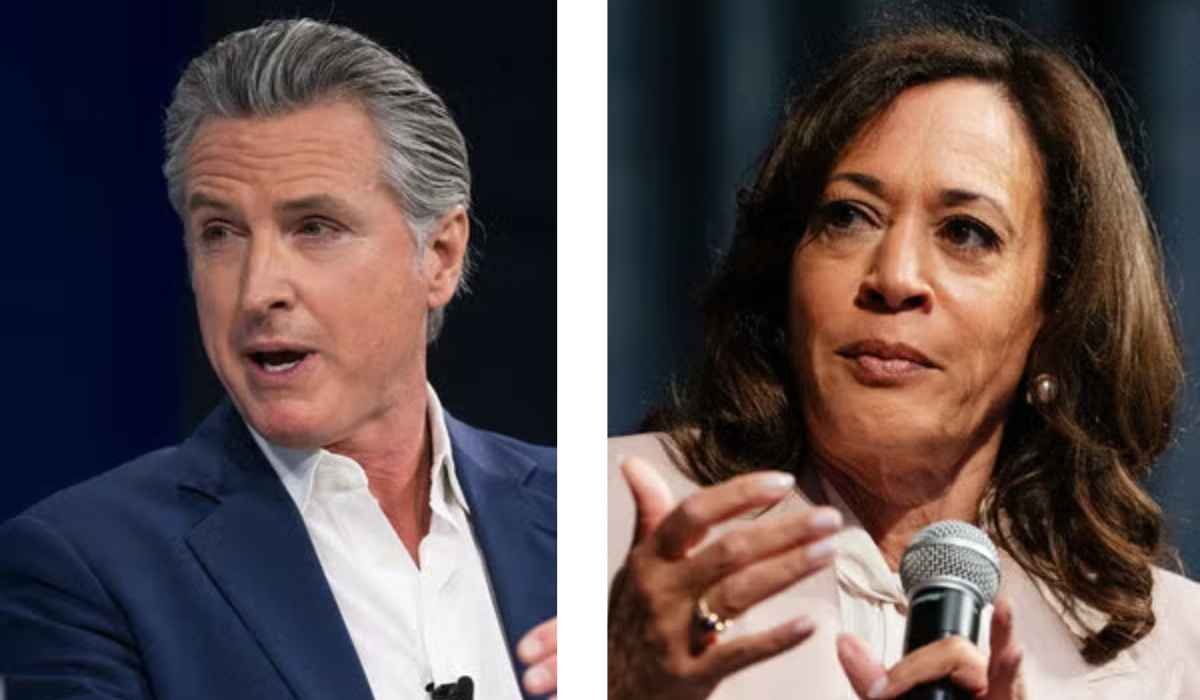
The political landscape of the United States undergoes constant evolution as strategic shifts redefine party dynamics following major national elections. Political analysts and voters across the nation frequently ask if is kamala harris running for president in 2028 as rumors circulate regarding future leadership contests. While formal announcements remain premature, her prominent public engagements, public policy commentaries, and continued campaign trail presence keep speculation active across political circles. Understanding her current standing requires examining her career history, electoral history, past policy priorities, and party alignments, alongside broader public sentiment that continues to shape modern Democratic presidential primary elections.
Quick Bio
- Full Name: Kamala Devi Harris
- Date of Birth: October 20, 1964
- Birthplace: Oakland, California, U.S.
- Political Party: Democratic Party
- Education: Howard University (BA), University of California, Hastings College of the Law (JD)
- Key Offices Held: District Attorney of San Francisco (2004–2011), Attorney General of California (2011–2017), U.S. Senator from California (2017–2021), 49th Vice President of the United States (2021–2025)
- Presidential Bids: 2020 Democratic Primaries, 2024 Democratic Presidential Nominee
Early Life and Legal Education Background
Kamala Harris was raised in Oakland, California, within a family deeply committed to academic excellence, civil rights advocacy, and community involvement. Her mother, Shyamala Gopalan, was a renowned biomedical scientist from India, while her father, Donald J. Harris, taught economics as a university professor after emigrating from Jamaica. Attending Howard University in Washington, D.C., she earned a Bachelor of Arts degree before returning to California to complete her law degree at UC Hastings College of the Law. This legal training established the foundation for her prosecutorial career, shaping her approach to law enforcement, public administration, and progressive legislative reform.
Career as San Francisco District Attorney
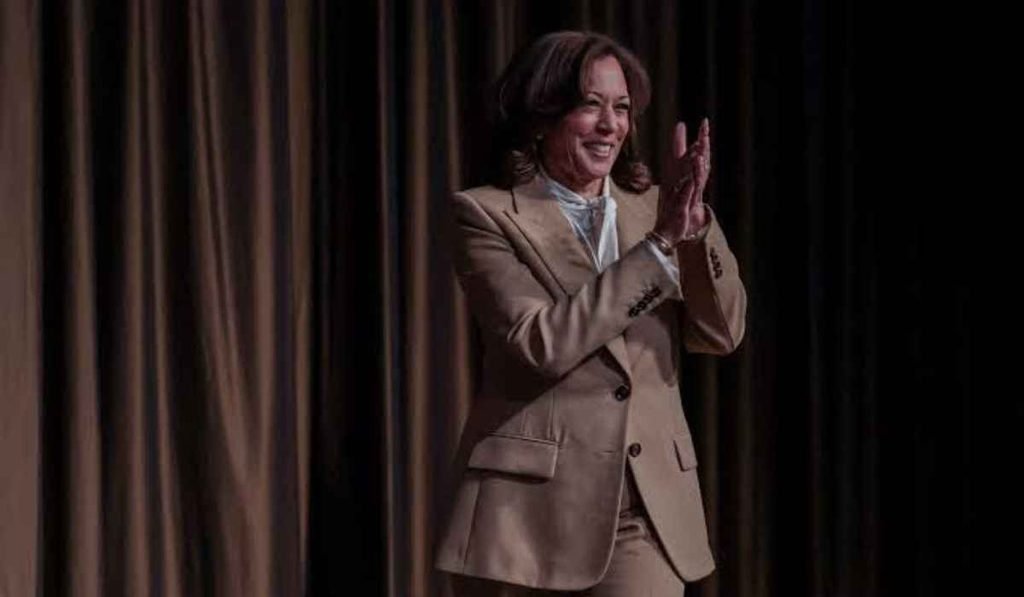
Entering public service as a prosecutor in Alameda County, Kamala Harris later earned election as District Attorney of San Francisco in 2003. Serving two terms in this role, she launched innovative crime prevention initiatives designed to reduce recidivism rates among nonviolent first-time offenders. Her administration focused on expanding reentry programs, tackling truancy in public schools, and modernizing local law enforcement data systems. Balancing tough prosecutorial standards with rehabilitation-oriented policies earned her statewide recognition, positioning her as a prominent emerging voice within the Democratic Party and laying the groundwork for her eventual campaign for higher state administrative offices.
Tenure as California Attorney General
In 2010, Kamala Harris was elected Attorney General of California, becoming the first woman, African American, and South Asian American to hold the post. During two terms overseeing the state department of justice, she secured multi-billion-dollar settlements against major financial institutions during the national mortgage crisis. Her tenure featured expanded consumer protection enforcement, environmental protection lawsuits, and criminal justice policy updates. Critics and supporters scrutinized her law enforcement record, but her high-profile legal victories established a formidable statewide political reputation, proving crucial when she launched a campaign for the U.S. Senate as a major national legislative contender.
Service in the United States Senate
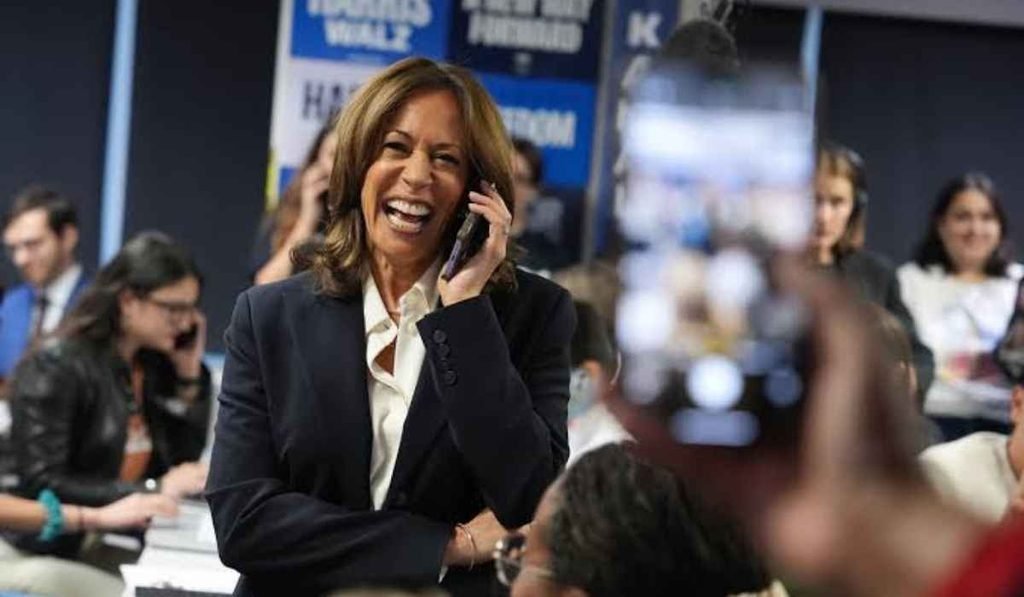
Elected to the United States Senate in 2016, Kamala Harris rapidly gained national prominence through her sharp, prosecutorial questioning during Senate Judiciary Committee hearings. Serving on key bodies including the Select Committee on Intelligence, she sponsored federal legislation targeting maternal health disparities, criminal justice reform, infrastructure investment, and wildfire relief funding. Her high-visibility questioning of cabinet nominees and judicial appointments drew significant media attention, elevating her profile among progressive grassroots donors and establishment party figures. Her Senate record established her as an influential national legislator capable of commanding attention during pivotal congressional committee debates.
The 2020 Presidential Primary Campaign
Seeking higher federal office, Kamala Harris launched a presidential campaign for the 2020 Democratic nomination, participating in televised national debates and primary rallies. Her early campaign highlighted policy proposals regarding economic relief, reproductive rights, and criminal justice reform while building network support across early voting states. Facing intense primary competition and financial constraints, she suspended her campaign before official caucus voting began in early 2020. Despite her primary exit, her prominent performance during national debates demonstrated her debate capabilities, preserving her status as a leading contender for future administrative roles within the national Democratic leadership structure.
Selection as Vice Presidential Nominee
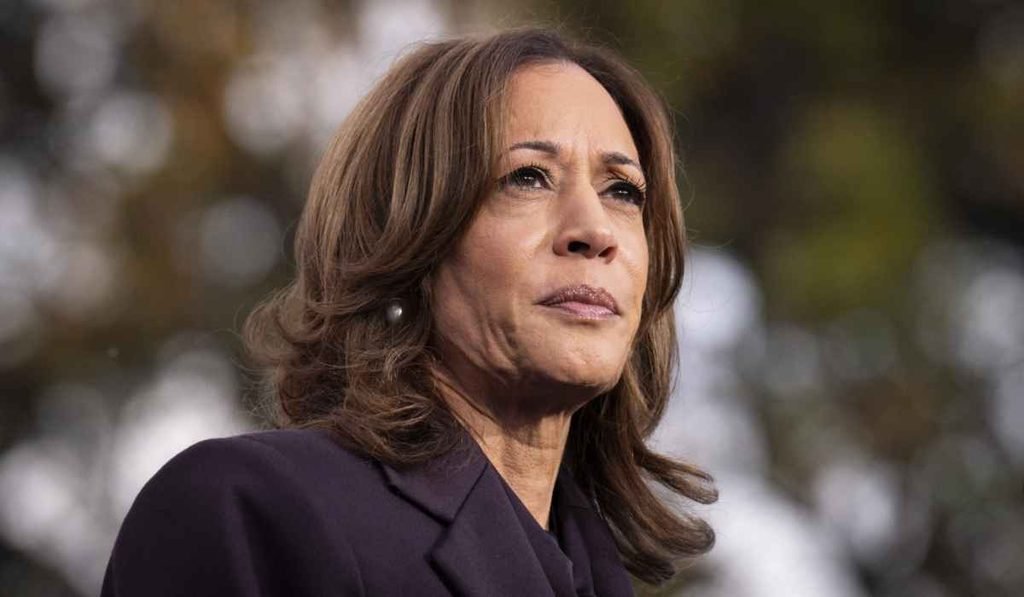
In August 2020, Democratic nominee Joe Biden selected Kamala Harris as his vice presidential running mate, creating a historic national ticket. Her selection marked a historic milestone, bringing regional diversity, executive experience, and broad demographic representation to the campaign platform. Together, the ticket focused on pandemic recovery strategies, economic relief packages, and institutional stability during an exceptionally polarized national election cycle. Following an intense campaign across battleground states, the ticket secured victory in the November 2020 election, establishing her role as the nation’s first female Vice President and setting the stage for executive administrative responsibilities.
Vice Presidency and Executive Responsibilities
Assuming office in January 2021, Vice President Kamala Harris undertook key policy assignments, including addressing root causes of Central American migration, expanding broadband access, and promoting federal voting rights legislation. Holding a crucial tie-breaking vote in a evenly split U.S. Senate, she cast decisive votes to pass major legislative packages, including landmark climate, healthcare, and infrastructure measures. Throughout her term, she represented the administration on international diplomatic missions across Asia, Europe, and Latin America. Her executive duties reinforced her standing within executive decision-making circles, while political observers continually analyzed her readiness for future presidential primary contests.
The 2024 Presidential Nomination Battle
Following Joe Biden’s decision to withdraw from the 2024 presidential race in July 2024, Kamala Harris rapidly consolidated party support to secure the Democratic nomination. Operating within an abbreviated campaign timeframe, she organized staff, unified delegates, and selected Minnesota Governor Tim Walz as her vice presidential running mate. Her campaign platform emphasized democratic institutions, reproductive freedom, middle-class economic support, and international alliances. Facing former President Donald Trump in a fiercely contested general election, her campaign organized aggressive voter turnout operations across key swing states, leading to an intense national battle for electoral votes.
Outcome of the 2024 General Election
The 2024 presidential election concluded with Donald Trump winning the Electoral College, resulting in the Harris-Walz ticket conceding the race in November 2024. Following her concession speech at Howard University, political commentators immediately began evaluating the factors influencing the election outcome, including national economic inflation, voter turnout patterns, and incumbency challenges. Despite the general election loss, Harris retained a prominent position as one of the most recognized figures in the Democratic Party. Her post-election political posture generated continuous discussion regarding her long-term strategic intentions within national political organizations.
Post-Election Activity and Public Appearances
Following the end of her term as Vice President, Kamala Harris maintained a active schedule of public appearances, political speeches, and party events. Engaging with advocacy organizations, university audiences, and Democratic donor forums, she addressed ongoing national policy debates concerning civil rights, voting access, and economic stability. These post-vice-presidential activities allowed her to maintain strong ties with grassroots supporters while keeping her public profile elevated. Political strategists closely monitor such public speaking engagements for early indicators of organizational planning, team recruitment, and policy platform development directed toward future federal electoral opportunities.
Party Support and Democratic Infrastructure
Within the Democratic Party structure, Kamala Harris retains significant connections across donor networks, labor unions, advocacy groups, and state political parties. Having served as Vice President and national standard-bearer, she possesses immediate name recognition and established fundraising infrastructure. However, party leaders remain divided on whether future electoral success requires fresh leadership or reliance on experienced national figures. As state political leaders prepare for upcoming midterm and presidential primary cycles, her ongoing relationship with key Democratic committees remains a major factor shaping internal coalition dynamics across battleground electoral maps.
Public Opinion and Current Polling Data
Early primary polling data regarding potential Democratic candidates routinely includes Kamala Harris among top-tier names alongside governors and senators. Survey results reflect high name recognition among voters, accompanied by strong approval ratings among core Democratic constituencies. Conversely, national polls also highlight persistent skepticism from independent and swing voters following the 2024 election cycle. Political analysts caution that early primary polling primarily measures public familiarity rather than definitive voter preference, noting that early polling numbers fluctuate significantly as potential primary challengers declare their candidacies over coming years.
Comparative Analysis of Potential 2028 Candidates
Discussing whether is kamala harris running for president in 2028 requires evaluating other prominent Democratic leaders considering future primary bids. Popular state governors, such as California’s Gavin Newsom, Michigan’s Gretchen Whitmer, and Pennsylvania’s Josh Shapiro, are frequently cited as formidable primary contenders. Additionally, cabinet officials and U.S. Senators continue building national donor networks. A crowded primary field would present a distinct dynamic compared to 2024, requiring any returning standard-bearer to navigate competitive debates, early primary state campaigning, and policy policy comparisons against ambitious emerging leaders across the party spectrum.
Key Policy Positions and Campaign Platforms
Throughout her public service, Kamala Harris has championed policy priorities that define her political identity and potential future campaign messaging. Her platform focuses on protecting reproductive rights, expanding federal voting protections, lowering healthcare costs, and promoting clean energy investments. Economically, she advocates for middle-class tax relief, housing affordability initiatives, and paid family leave programs. On foreign policy, she supports international democratic alliances, global trade stability, and diplomatic engagement. These established policy frameworks provide a ready-made template for future campaign proposals should she elect to enter future primary contests.
Strategic Challenges Facing a Future Bid
Any potential presidential bid by Kamala Harris would encounter distinct strategic challenges within an evolving electorate. Critics within the progressive wing often challenge her historical prosecutorial record, while moderate swing voters scrutinize her executive administration’s policy decisions. Furthermore, overcoming the legacy of a prior general election defeat poses message discipline challenges in primary contests. Navigating these political dynamics would require a revised strategy, refined campaign messaging, and clear policy differentiation designed to re-engage disillusioned voters while convincing party activists of her general election viability against opposing nominees.
Media Coverage and Public Speculation
National media outlets continuously analyze every public statement, media interview, and travel schedule involving Kamala Harris for clues about her future political ambitions. Political commentaries regularly debate her electoral prospects, comparing her potential path to historic figures who mounted successful second-act presidential bids after general election defeats. While media speculation remains intense, official declarations rarely occur until late into midterm election cycles. This persistent media focus ensures her political actions remain under constant public observation, shaping voter perceptions long before primary votes occur.
The Role of Midterm Elections in Decision Making
Midterm congressional and gubernatorial elections serve as a vital testing ground for potential presidential candidates planning future campaigns. Active participation in midterm campaigning allows figures like Kamala Harris to assist state candidates, raise funds for party committees, and build goodwill with local activists. Success or failure during midterm cycles directly impacts party morale and influences candidate entry decisions. By observing midterm turnout trends and voter priorities across battleground states, potential contenders gather crucial empirical data to evaluate whether national political conditions favor launching a formal presidential campaign.
Timeline for Formal Candidacy Declarations
Historically, formal declarations for U.S. presidential campaigns occur following the conclusion of midterm elections, typically ramping up during early primary calendar years. Potential candidates spend preceding months forming exploratory committees, hiring experienced campaign strategists, and securing preliminary financial pledges from national donor networks. For Kamala Harris, any official decision regarding a presidential bid would likely follow careful consultations with advisors, family, and party leaders. Until official paperwork is filed with the Federal Election Commission, public discussion remains speculative rather than definitive regarding formal campaign launches.
Impact on Democratic Party Strategy and Unity
The decision of whether Kamala Harris seeks the presidency influences internal Democratic Party planning and primary debate structures. Her entry into a primary contest would immediately establish a high-profile baseline, encouraging candidates to define clear ideological distinctions. Alternatively, her absence from the field would open significant space for emerging governors and senators to capture primary momentum. Ultimately, party unity remains a paramount priority for Democratic leadership, ensuring that primary debates remain focused on constructive policy discussions intended to prepare the eventual nominee for general election competition.
Electoral Prospects and Future Outlook
Looking ahead toward upcoming national elections, Kamala Harris remains a central figure within American political discourse whose choices will shape future campaigns. Whether she launches a presidential bid, supports other nominees, or pursues alternative leadership avenues, her extensive career experience ensures continued relevance within public policy debates. As political dynamics shift, voters will evaluate candidates based on leadership capabilities, vision, and economic strategies. The question of her political future will be definitively answered as official primary filing deadlines approach, marking another chapter in modern American democratic history.
Frequently Asked Questions
- Has Kamala Harris formally announced a presidential campaign for 2028?
- No formal announcement has been made, as major candidates typically wait until after midterm cycles to declare.
- What offices did Kamala Harris hold before becoming Vice President?
- She served as San Francisco District Attorney, California Attorney General, and United States Senator from California.
- Can a candidate run for president again after losing a general election?
- Yes, U.S. law allows candidates to seek nomination and election in subsequent presidential voting cycles without restriction.
- Which other Democrats are considered potential primary contenders?
- Key potential candidates include prominent state governors such as Gavin Newsom, Gretchen Whitmer, and Josh Shapiro.
- When will official declarations for the next presidential election begin?
- Formal campaign launches usually begin in the year following congressional midterm elections as nominating calendars draw near.