
 admin
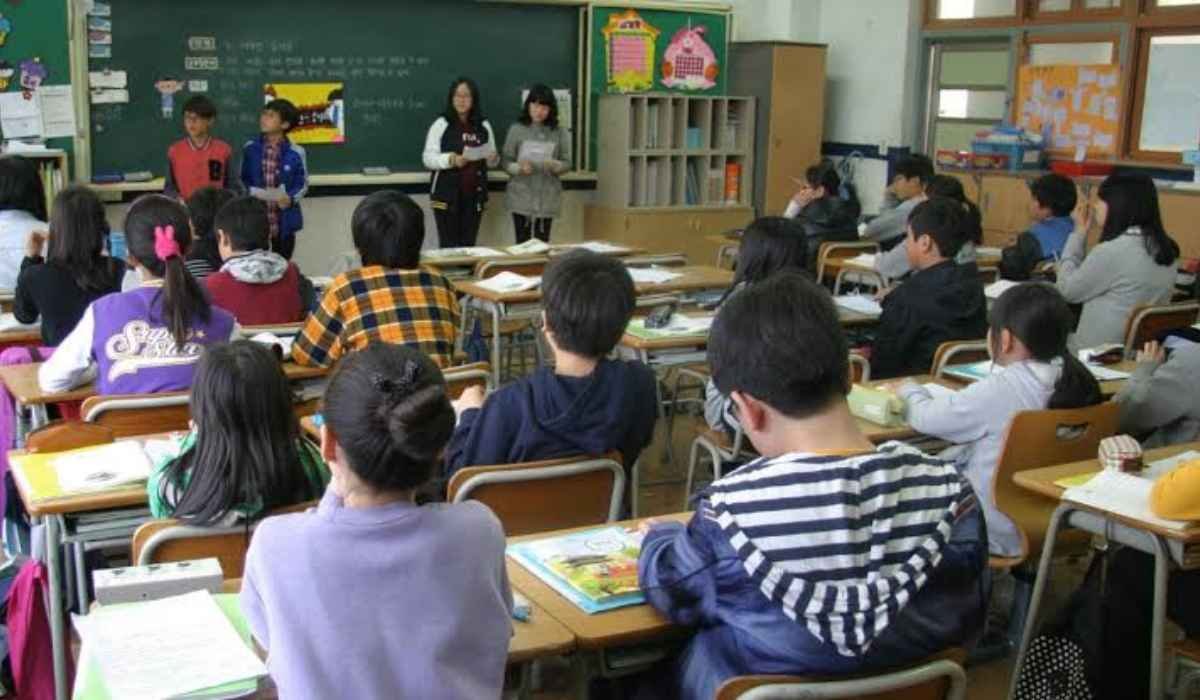
Education systems across the nation are undergoing massive structural shifts as demographic realities alter classroom demographics permanently. For years, educators and policymakers have monitored shifting birth rates and migration patterns that directly impact community . When student bodies shrink below sustainable thresholds, local authorities face painful operational choices regarding facility usage. This phenomenon has become a defining challenge for modern educational administration, forcing communities to re-evaluate how they manage resources efficiently. The issue of united states public school closures surged due to declining enrollment touches every single state, creating complex debates about neighborhood identity and fiscal responsibility.
Quick Bio Overview
| Feature | Details |
| Topic | United States Public School Closures & Enrollment Shifts |
| Core Issue | Declining student population and facility consolidation |
| Primary Driver | Lower birth rates and demographic shifts |
| Impact Area | Local communities and district budgets |
Understanding the Landscape of Modern American Education
The landscape of American education is shifting dramatically as communities nationwide grapple with unprecedented demographic realities and financial pressures. Educational leaders must constantly evaluate facility efficiency to ensure taxpayer dollars are spent wisely on student instruction rather than empty buildings. This difficult balancing act highlights why united states public school closures surged due to declining enrollment across both rural and urban districts. Stakeholders are searching for sustainable long-term solutions that protect student learning while acknowledging shifting population trends.
Analyzing the Root Causes Behind Shrinking Student Populations

Declining birth rates over the past decade have created a smaller pool of school-aged children entering the public education system. Families are having fewer children, and many regions are experiencing net population outflows as younger generations migrate to different states. These underlying demographic pressures explain why united states public school closures surged due to declining enrollment in multiple regions. School districts cannot maintain full staffing levels or diverse course offerings when empty classrooms outnumber occupied seats by significant margins.
Financial Pressures Facing Local School Districts Today
Operating large physical infrastructures requires consistent per-pupil funding that disappears when student enrollment numbers drop year after year. Fixed costs such as heating, maintenance, and administrative overhead remain high even when student populations decrease significantly. Such severe economic strains illustrate why united states public school closures surged due to declining enrollment as boards look for ways to balance budgets. Fiscal necessity often forces administrators to make heart-wrenching decisions about consolidating neighborhood campuses into larger centralized facilities.
The Impact of Community Shifts on Neighborhood Schools

Neighborhood schools often serve as cultural anchors, hosting community events, sports leagues, and local gatherings outside of standard academic hours. When a local campus shuts its doors permanently, the surrounding neighborhood loses a vital hub that fostered social cohesion for generations. Recognizing this emotional toll helps explain why united states public school closures surged due to declining enrollment is such a controversial civic topic. Families naturally protest when historical buildings are shuttered, feeling that their local heritage is being erased for the sake of spreadsheet efficiency.
Evaluating Student Outcomes Following Facility Consolidations
Proponents of consolidation argue that merging smaller under-enrolled schools allows districts to pool resources for advanced coursework and better student support. However, critics point out that larger class sizes and longer bus commutes can negatively affect student engagement and academic performance. These mixed educational outcomes are heavily debated as united states public school closures surged due to declining enrollment across various states. Educational researchers continue to study whether consolidated campuses truly deliver superior learning environments compared to smaller historic community schools.
Geographic Disparities Between Urban and Rural Districts
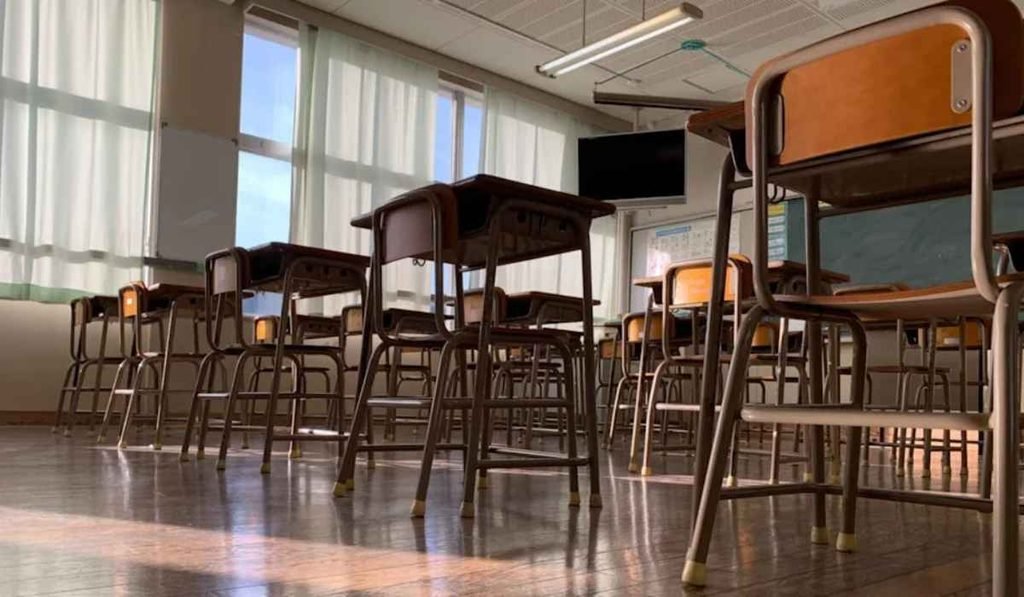
Rural school districts frequently face devastating population loss as younger generations move toward metropolitan job centers in search of employment. Meanwhile, certain suburban fringes experience localized growth while inner-city schools lose students to alternative education models. This geographical fragmentation demonstrates why united states public school closures surged due to declining enrollment unevenly across different regions. State policymakers struggle to create uniform funding formulas that can simultaneously support expanding suburban areas and shrinking rural communities.
The Role of Alternative Educational Options and Choice
The rapid expansion of charter schools, private school voucher programs, and homeschooling has provided families with unprecedented educational alternatives. While these choices empower parents, they also siphon crucial per-pupil funding away from traditional public school systems. This competitive educational marketplace explains why united states public school closures surged due to declining enrollment as market share shifts. Public districts must adapt their offerings to retain families who might otherwise explore non-traditional schooling paths for their children.
Workforce Challenges and Teacher Allocation Complexities
Maintaining a full roster of certified educators becomes economically unviable when student enrollment falls below optimal operating capacities. Districts often face difficult teacher layoffs or reassignments as classrooms are combined to maximize teacher-to-student ratios. Such staffing hurdles are a direct symptom of why united states public school closures surged due to declining enrollment nationwide. Educators face heightened job insecurity, leading to lower morale and exacerbating existing teacher shortages across multiple academic disciplines.
Administrative Rightsizing Strategies Implemented by Leaders
School board members frequently utilize the term rightsizing to describe the systematic process of closing or repurposing underutilized school buildings. This strategic planning aims to redirect scarce financial resources from facility maintenance directly into classroom instruction and student support services. Understanding this administrative perspective clarifies why united states public school closures surged due to declining enrollment as a management tool. Transparent communication from leadership is essential to help local taxpayers understand the complex economic realities driving these facility decisions.
Socioeconomic Disparities and Equity Concerns in Closures
School closures rarely impact all neighborhoods equally, often disproportionately affecting low-income families and historically underserved communities. Wealthier districts often possess alternative funding mechanisms to keep small schools afloat, whereas poorer areas face immediate shutdown mandates. These deep equity gaps emphasize why united states public school closures surged due to declining enrollment is fundamentally a social justice issue. Civil rights advocates argue that closing neighborhood schools deepens existing educational disparities and harms vulnerable student populations.
The Psychological and Social Toll on Young Learners
Children develop strong emotional attachments to their school environments, teachers, and peer groups over their formative educational years. Forcing students to transfer to unfamiliar campuses disrupts their social support systems and can temporarily stall their academic progress. This human cost is a major reason why united states public school closures surged due to declining enrollment sparks intense public backlash. Mental health professionals advocate for comprehensive transition programs to help students cope with the stress of losing their neighborhood schools.
Historical Context of Educational Consolidation Waves
America has witnessed previous waves of school consolidation, particularly during the mid-twentieth century when one-room schoolhouses were phased out. Modern consolidation, however, is driven less by modernization and more by stark demographic contractions and chronic budget deficits. Examining past trends provides historical context for why united states public school closures surged due to declining enrollment in the current decade. While historical closures focused on upgrading facilities, today’s closures primarily focus on severe financial survival.
Long-Term Economic Consequences for Local Municipalities
When a public school closes, nearby local businesses often suffer from a sharp decline in foot traffic and daily consumer spending. Furthermore, neighborhoods without functioning schools become less attractive to young families looking to buy homes, impacting local property values. These broader economic ripple effects demonstrate why united states public school closures surged due to declining enrollment concerns city planners. Municipalities must find creative ways to repurpose abandoned school properties to prevent blighted infrastructure in residential communities.
Policy Solutions and Legislative Responses from States
State legislatures are actively debating new funding models and moratoriums to protect vulnerable schools from premature or aggressive closure mandates. Some states offer planning grants and community-engagement frameworks to help districts explore shared facility use before executing final closures. These legislative interventions reflect how seriously policymakers take the reality that united states public school closures surged due to declining enrollment. Developing sustainable state-level policies will be crucial for maintaining public trust in local educational institutions moving forward.
The Future Outlook for Public School Infrastructure
Looking ahead, educational planners predict that demographic pressures will continue to challenge school districts for the foreseeable future. Districts must embrace flexible facility planning, digital learning integration, and multi-use community spaces to remain viable in a changing world. Navigating this era successfully requires acknowledging why united states public school closures surged due to declining enrollment and planning proactively. Only through thoughtful community collaboration can leaders build a resilient public education system for future generations.
Community Engagement and Transparent Decision-Making
Successful district leadership relies heavily on transparent public forums and active parent involvement before any final closure votes occur. When communities feel ignored by decision-makers, distrust festers and long-term civic engagement suffers immensely. Prioritizing open dialogue is essential when addressing why united states public school closures surged due to declining enrollment across districts. Empowering local voices ensures that closure decisions incorporate diverse perspectives and prioritize the well-being of students above all else.
Re-envisioning Empty School Buildings for Public Good
Abandoned educational properties present unique opportunities for creative municipal redevelopment, including affordable housing, community centers, and healthcare clinics. Repurposing these structures helps mitigate the negative aesthetic and economic impacts of school closures on local neighborhoods. Innovative reuse projects show that communities can recover even after united states public school closures surged due to declining enrollment. Transforming old classrooms into vibrant community assets revitalizes local spaces and preserves the historical legacy of the property.
Balancing Fiscal Responsibility with Educational Quality
District administrators walk a fine financial tightrope between maintaining fiscal solvency and delivering high-quality academic instruction to every child. Over-consolidation can create overcrowded classrooms that defeat the original purpose of cutting administrative expenses. Maintaining this delicate balance remains the ultimate test of leadership as united states public school closures surged due to declining enrollment. Crafting sustainable policies requires a steadfast commitment to equity, transparency, and student-centered decision-making at every level of government.
Conclusion: Adapting to a New Era in American Education
The widespread trend of school consolidation marks a fundamental turning point in the history of American public education. By confronting demographic changes head-on and fostering collaborative community dialogue, districts can navigate these turbulent waters successfully. Understanding why united states public school closures surged due to declining enrollment provides the necessary foundation for building stronger, more adaptable schools. Ultimately, ensuring that every student has access to a quality learning environment remains our most vital collective responsibility.
FAQ Answers
- What primary factor causes united states public school closures surged due to declining enrollment?
- The primary factor driving school closures is the sharp drop in birth rates alongside migration out of major metropolitan districts, leaving fewer school-aged children.
- How do falling birth rates impact local public school funding and facilities across states?
- Lower birth rates decrease state per-pupil funding allocations, making it financially unsustainable for districts to maintain underutilized physical buildings.
- Why do community members often protest against school consolidation and campus shutdowns?
- Community members protest because neighborhood schools serve as historical anchors, and closures force longer commutes while disrupting established local social networks.
- What alternative options do families pursue when public school enrollment drops in their area?
- Families frequently opt for alternative educational avenues including public charter schools, private school voucher programs, and home-based learning models.
- How can municipalities successfully repurpose abandoned school buildings for community benefit?
- Municipalities can convert closed campuses into community health centers, affordable housing complexes, or civic arts centers that continue serving local residents.